

In a neglected corner of one of Nablus’s suburbs, a poor Palestinian family shared long years of oppression and suffering. An elderly father and mother, weighed down by time, struggled against harsh living conditions alongside their only remaining son living with them, a man in his forties who suffers from complete cerebral palsy, intellectual disability, and continuous epileptic seizures that require special care around the clock.
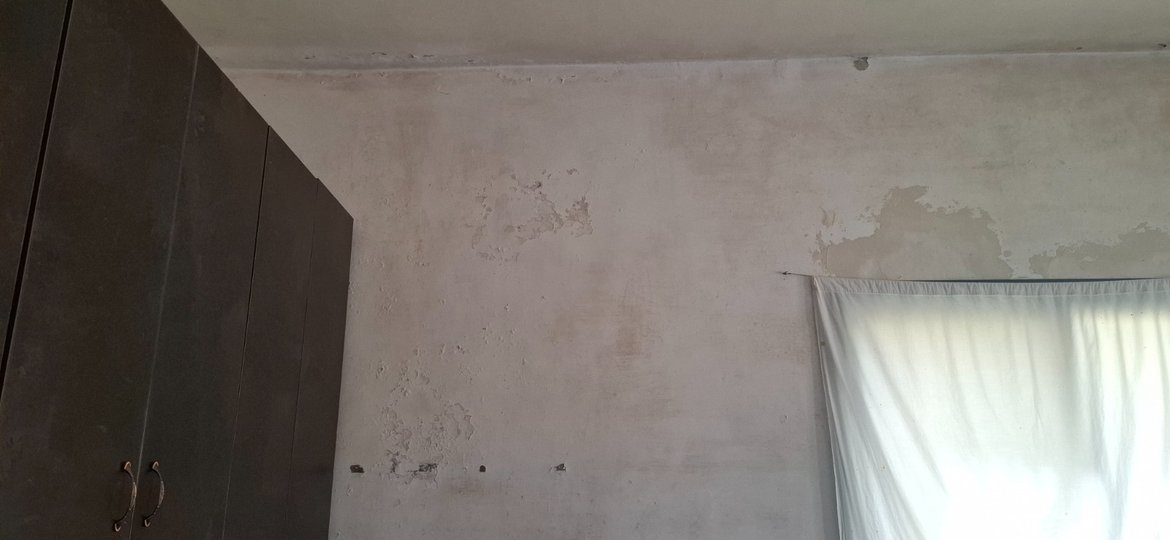
In a single room whose walls were cramped with pain, an elderly father and mother, weighed down by time, lived an extremely difficult life. The tragedy was not limited to the narrow space, but extended to an environment lacking the most basic elements of a dignified life; rainwater was relentlessly leaking through the rickety windows, the walls were bare without plaster or paint, while the mattress the sick young man relied on was worn out and entirely unsuitable for his critical health condition.
And with the rest of the children leaving the house after getting married, the elderly parents were left alone to face the heavy burdens of living without any fixed source of income, relying only on small and intermittent assistance from their children amid a harsh economic reality. The biting cold and constant humidity were an added torment that exhausted the tired bodies of the parents and increased their son’s suffering.
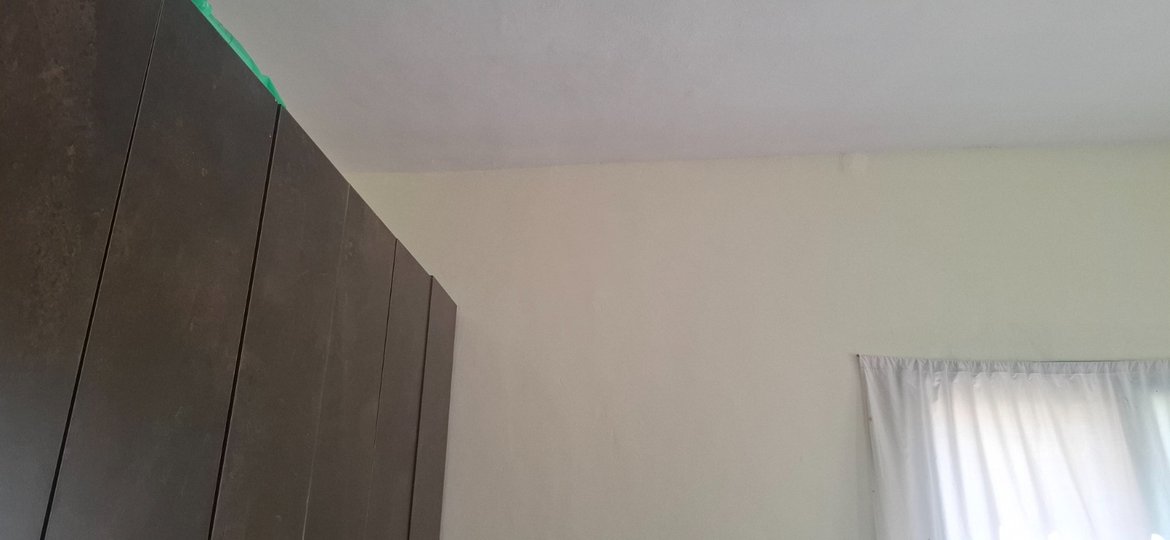
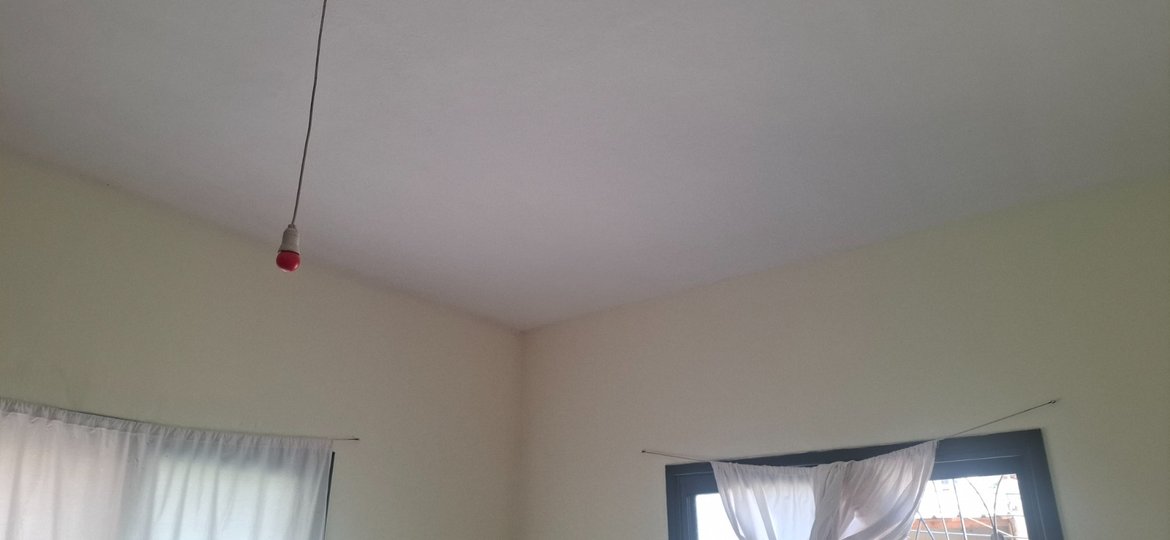
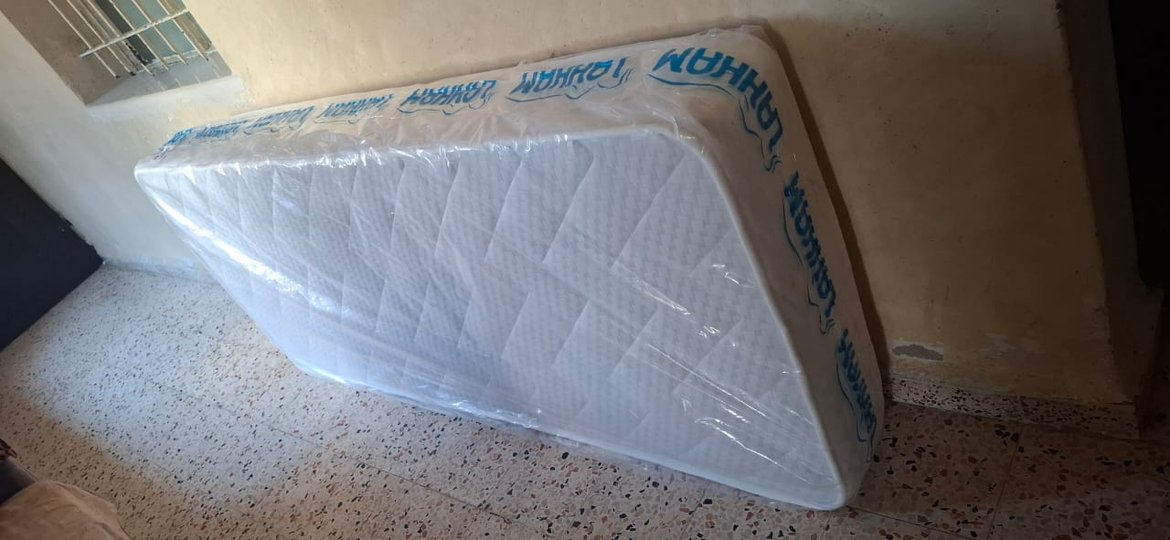
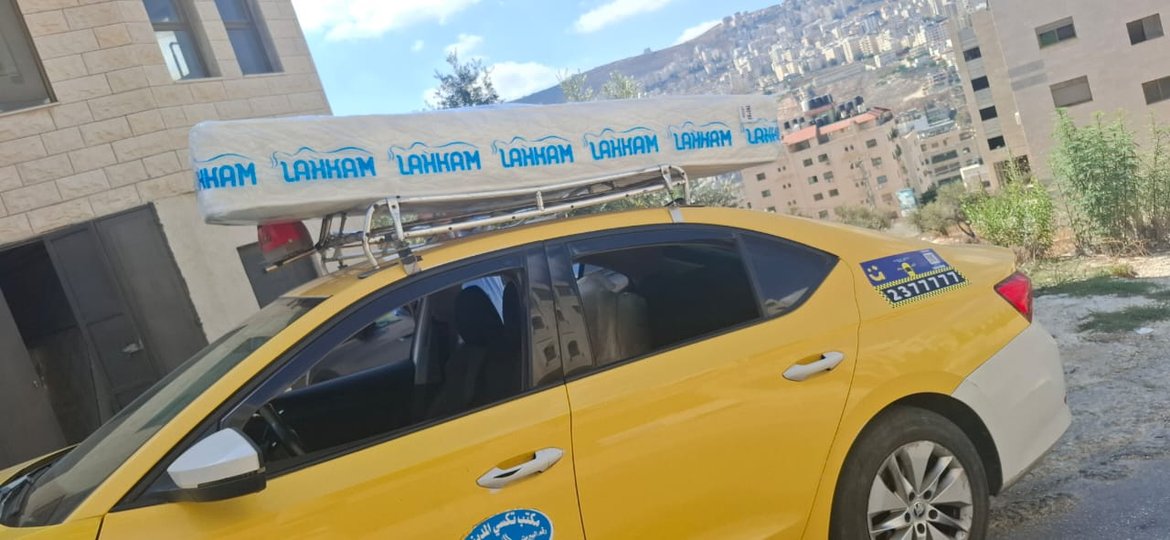
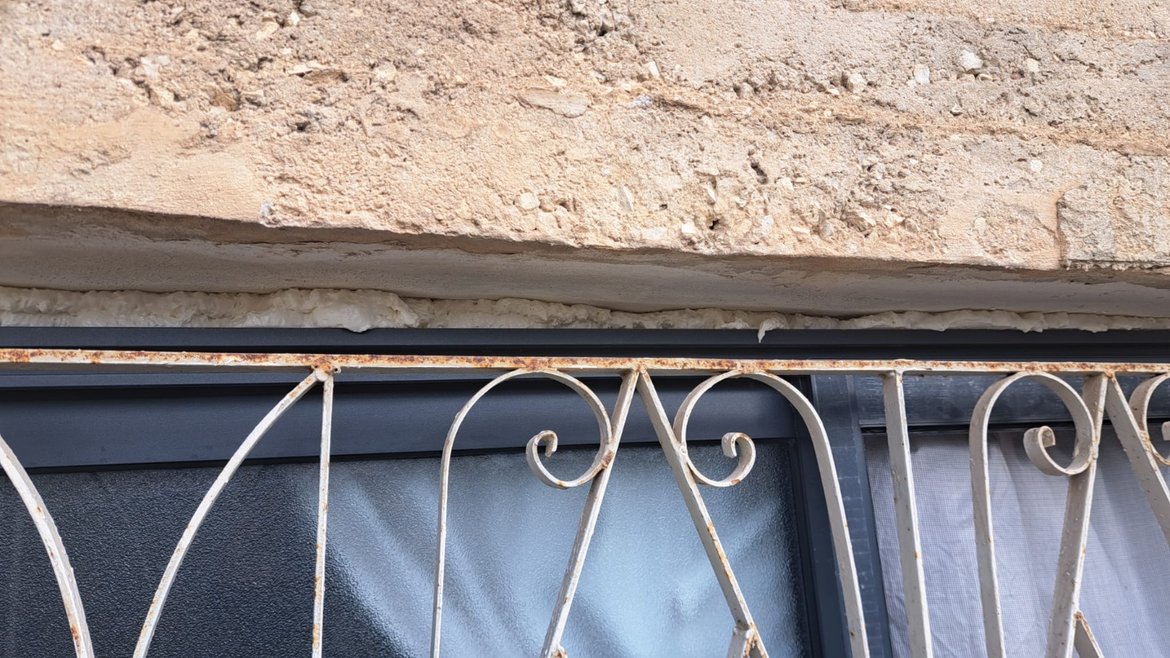
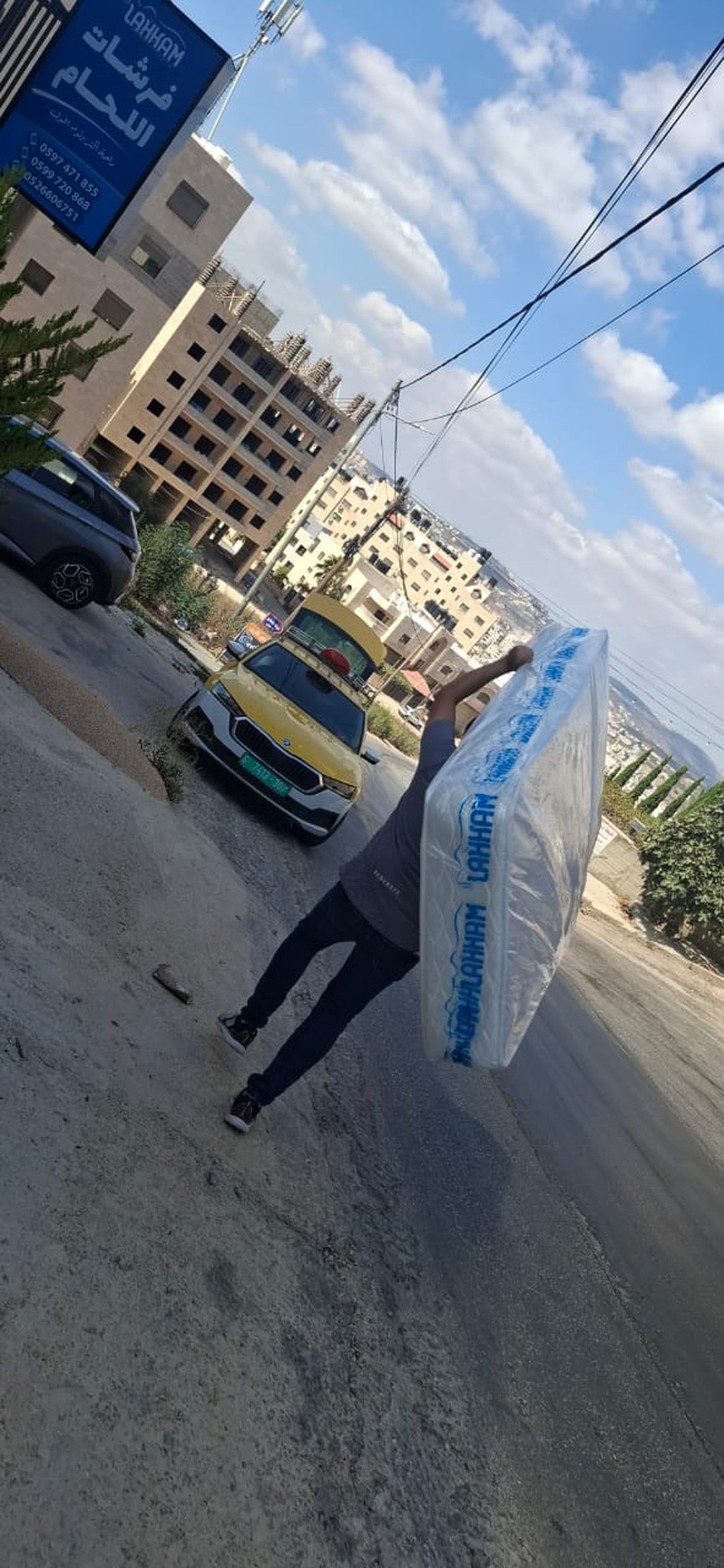
Amid this bleak scene, a glimmer of hope appeared; the Community Service Center carried out an urgent humanitarian intervention to rehabilitate the room and lift the family out of the circle of neglect. The intervention included comprehensive maintenance work, which involved sealing the external cracks, re-plastering the walls, insulating and painting them to permanently prevent rainwater leakage and provide a healthy and safe environment. The young man was also provided with a modern medical mattress that meets his health needs and grants him the comfort he had long lacked.
This humane gesture confirms that changing the life of a dignified but needy family does not necessarily require immense resources; rather, a sincere act of attention from an institution or a person who feels the pain of others is enough, extending a warm hand that silently says: “You are not alone.”
عدد القراءات: 23