The CSC at An-Najah National University, in cooperation with the Nablus Directorate of Education, hosted a community meeting for school principals participating in the Supportive Community Education Program, which the center has implemented for several years. Mr. Bilal Salama, the center director, welcomed the participants and explained that the purpose of the meeting was to strengthen professional relationships between school principals and CSC staff supervising the program, as well as to organize activities to help principals manage work-related stress. The program’s goals and its impact on students were also discussed. The meeting was held outside the typical workplace setting at Haddad Tourist Village, which hosted the participants.
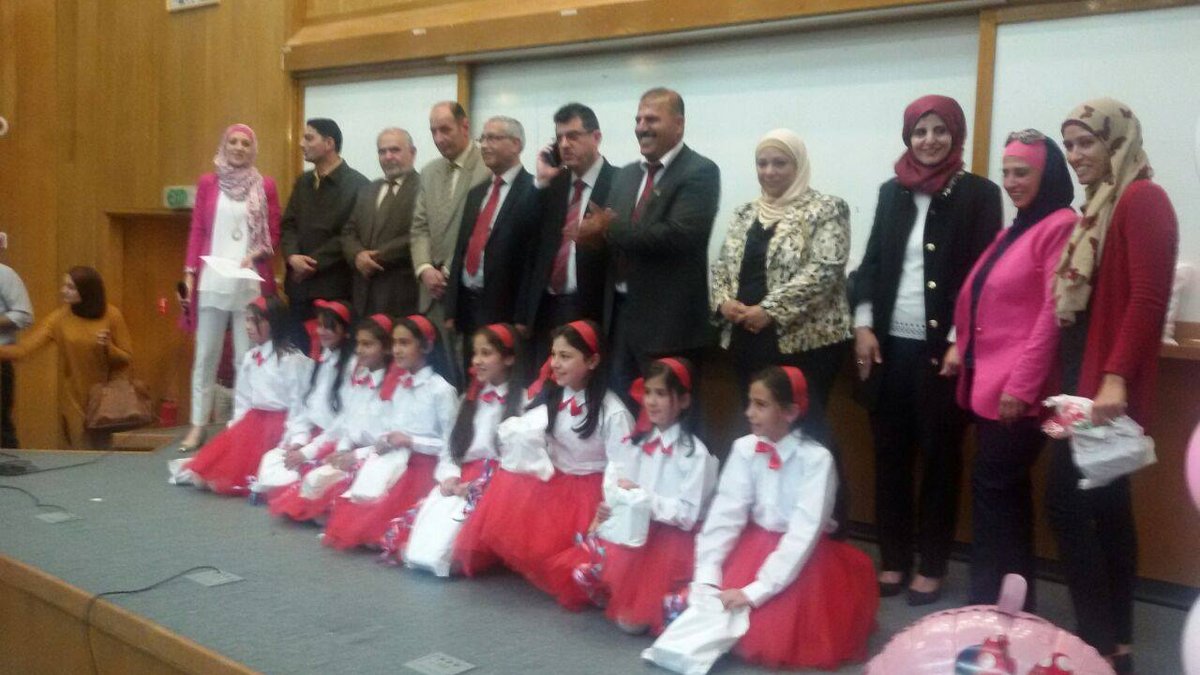
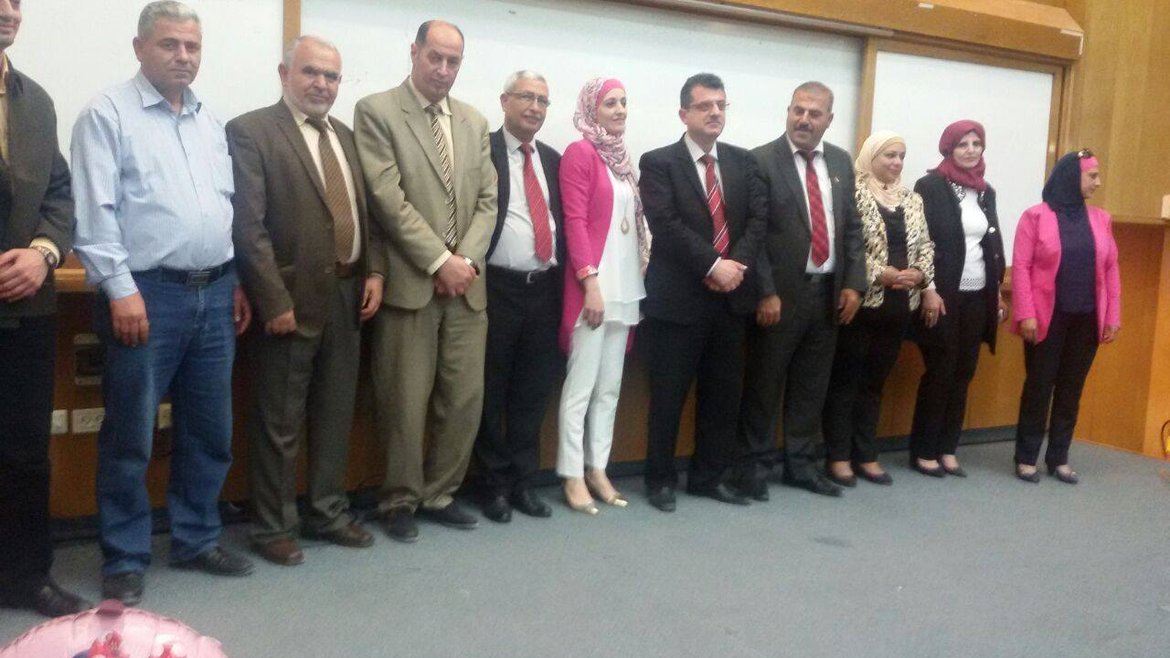
Earlier, the CSC organized a closing event for the 2017 Supportive Community Education Program. The event was attended by Mr. Bilal Salama, Dr. Azmi Balawneh, director of the Nablus Directorate of Education, participating school principals, beneficiary children, their families, and CSC volunteers.
The ceremony began with a recitation of the Holy Quran, followed by the national anthem and a reading of Al-Fatiha for the souls of the martyrs. Mr. Salama welcomed the attendees, praising their participation and cooperation in making the program successful. Mr. Balawneh expressed gratitude to the CSC and highlighted the program’s role in improving student performance and reducing school dropout rates. Mr. Raed Jadallah, principal of Rashid Muneeb Al-Masri Basic School for Boys, spoke on behalf of the participating principals, emphasizing the program’s objectives and commending the collaboration with the CSC, especially the efforts of program coordinator Ms. Afnan Hassan in communicating with schools and coordinating volunteers.
Following the speeches, some schools presented folk dances, group singing, and displays of children’s talents. At the conclusion of the ceremony, Mr. Salama and Ms. Hassan honored the volunteers and school principals and distributed symbolic gifts to both volunteers and students.
The program, which has been implemented since 1999, involves 35 schools in Nablus. It aims to support children experiencing academic delays due to social challenges by providing academic, psychological, and social assistance.
عدد القراءات: 111