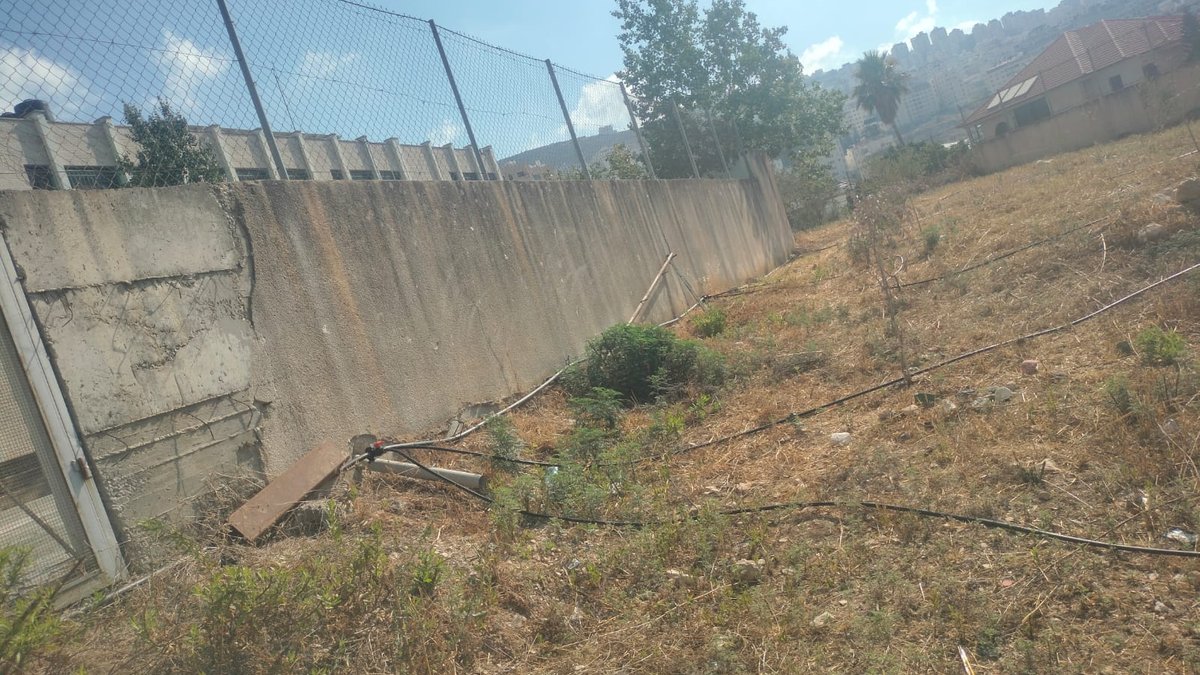
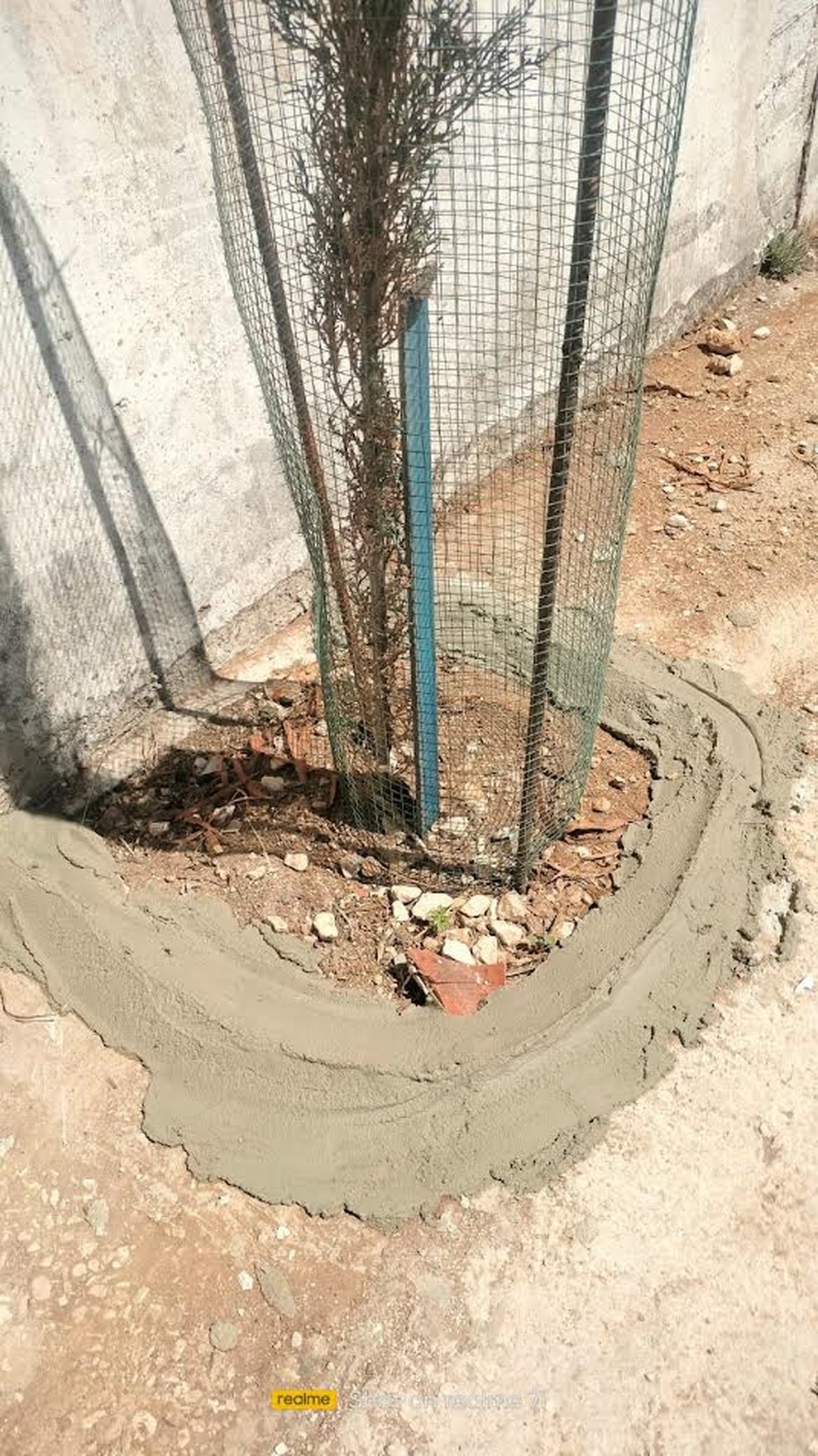
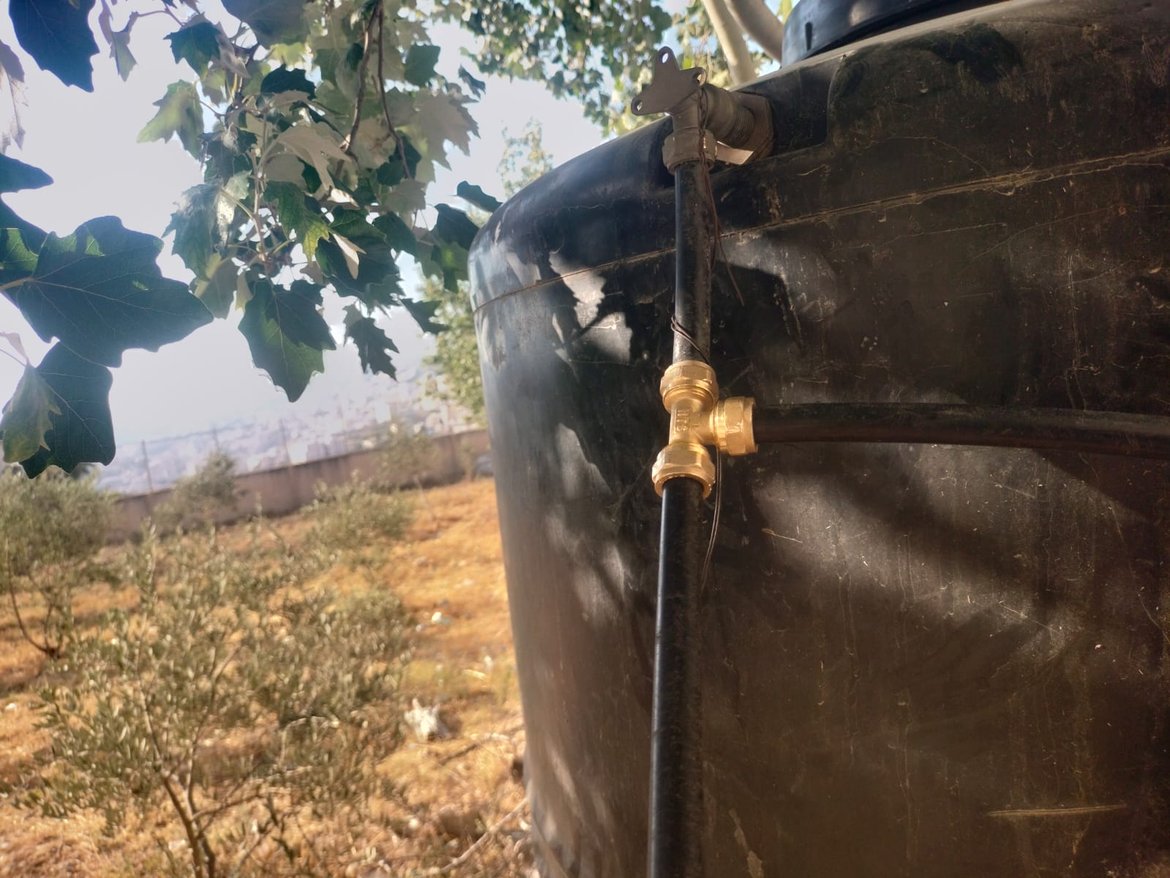
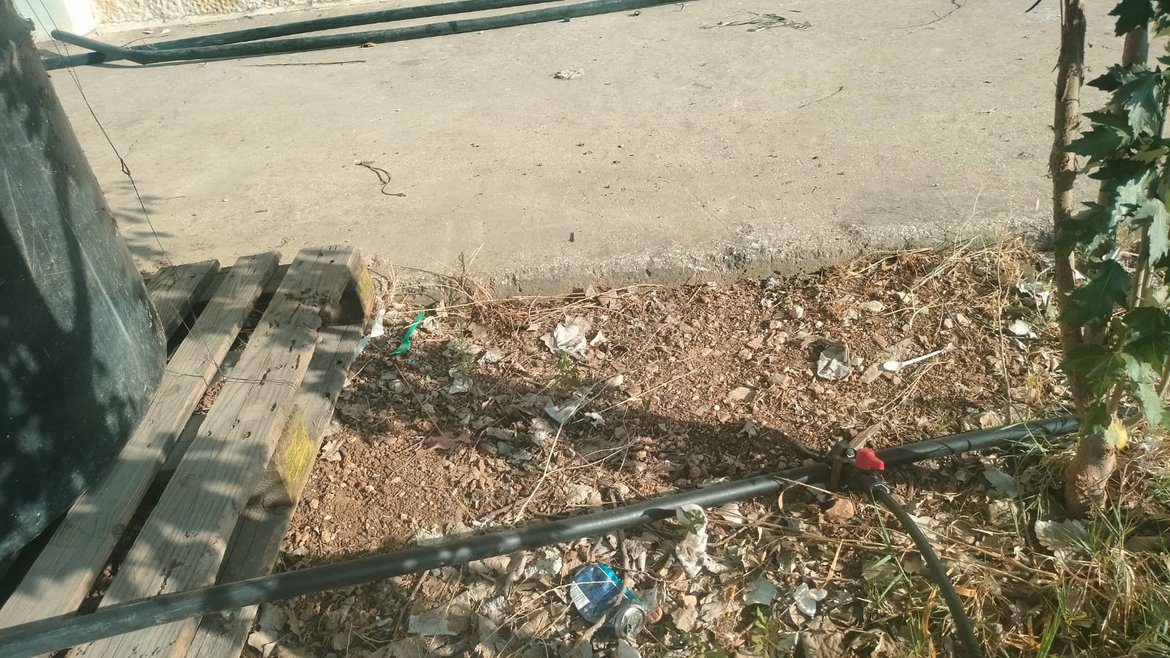
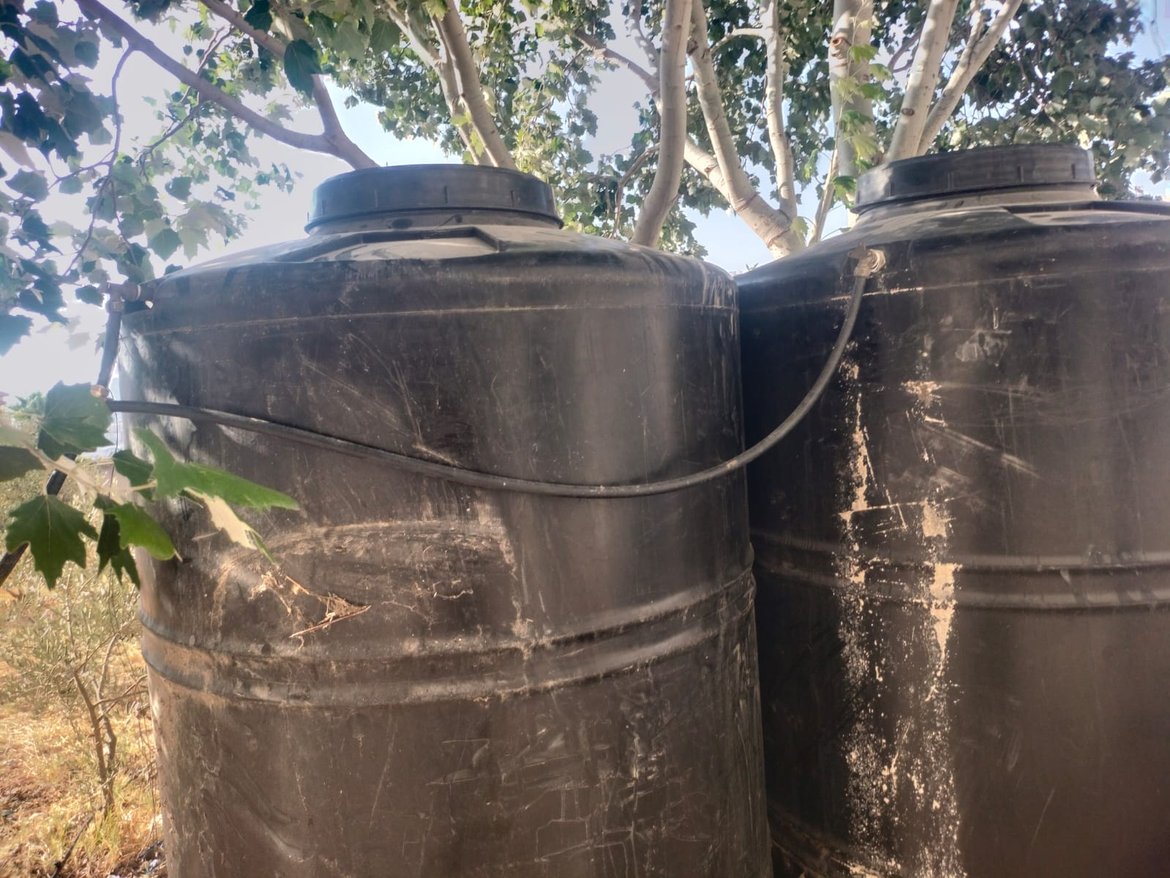
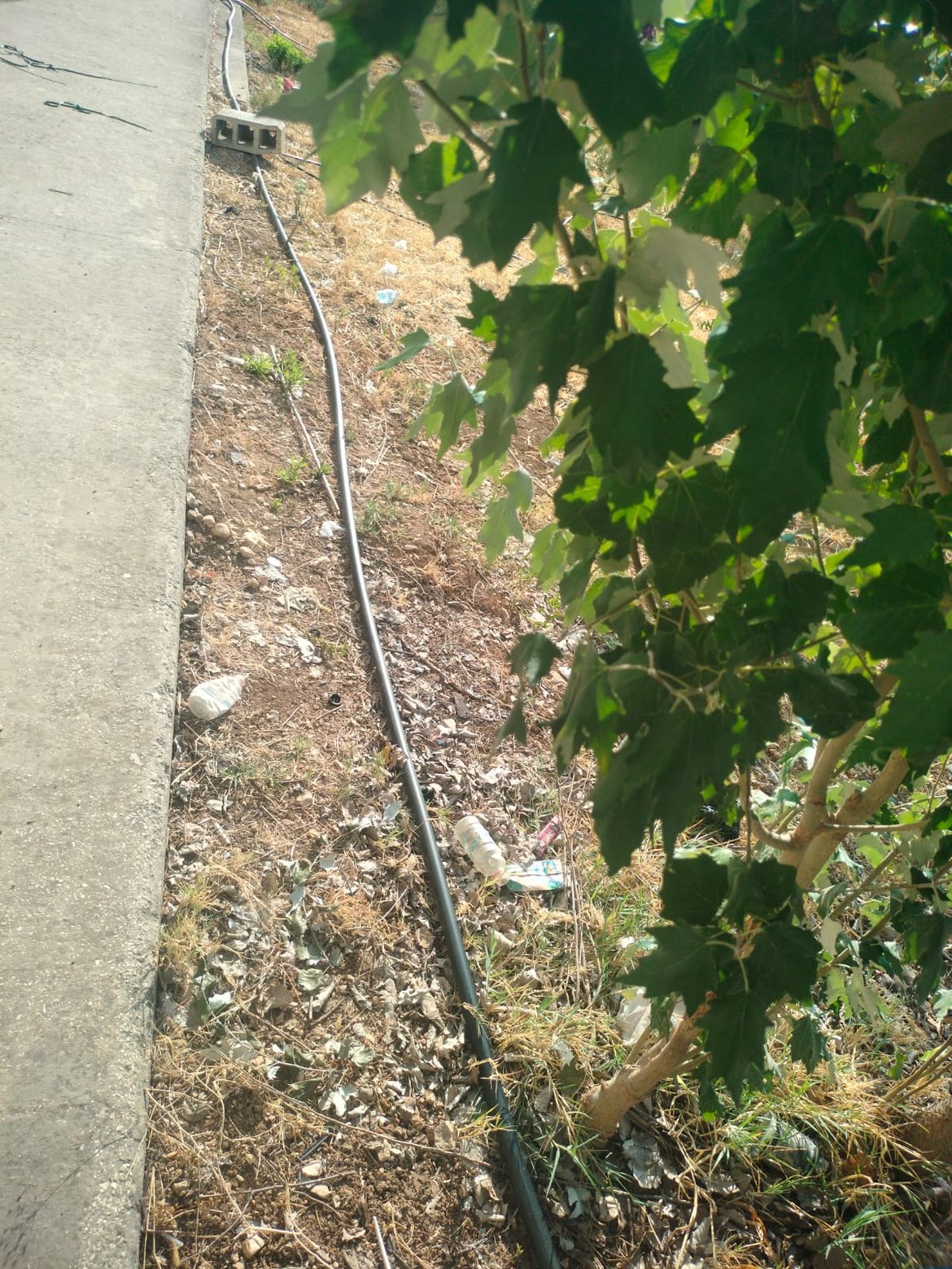
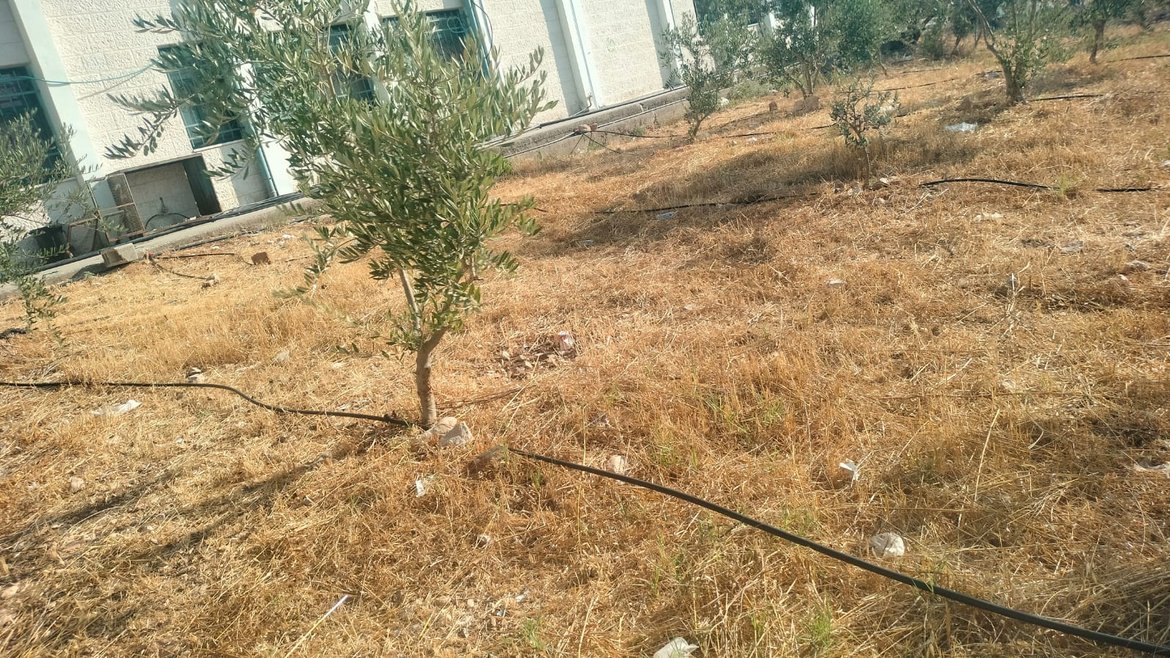
The Community Service Center carried out the installation of drip irrigation systems in a number of schools in the city of Nablus, protecting the planted trees and ensuring their continued growth and preservation, especially during periods of drought and high temperatures, in a step that reflects the center’s commitment to maintaining a continuous flow of water to the seedlings it planted during the afforestation initiative.
This project comes as part of the center’s vision, which is not limited to planting trees only, but extends to providing the necessary conditions for their survival and achieving the highest rates of success in their growth, considering that caring for trees after planting them constitutes the fundamental pillar for the success of any afforestation project and achieving its environmental and community impact.
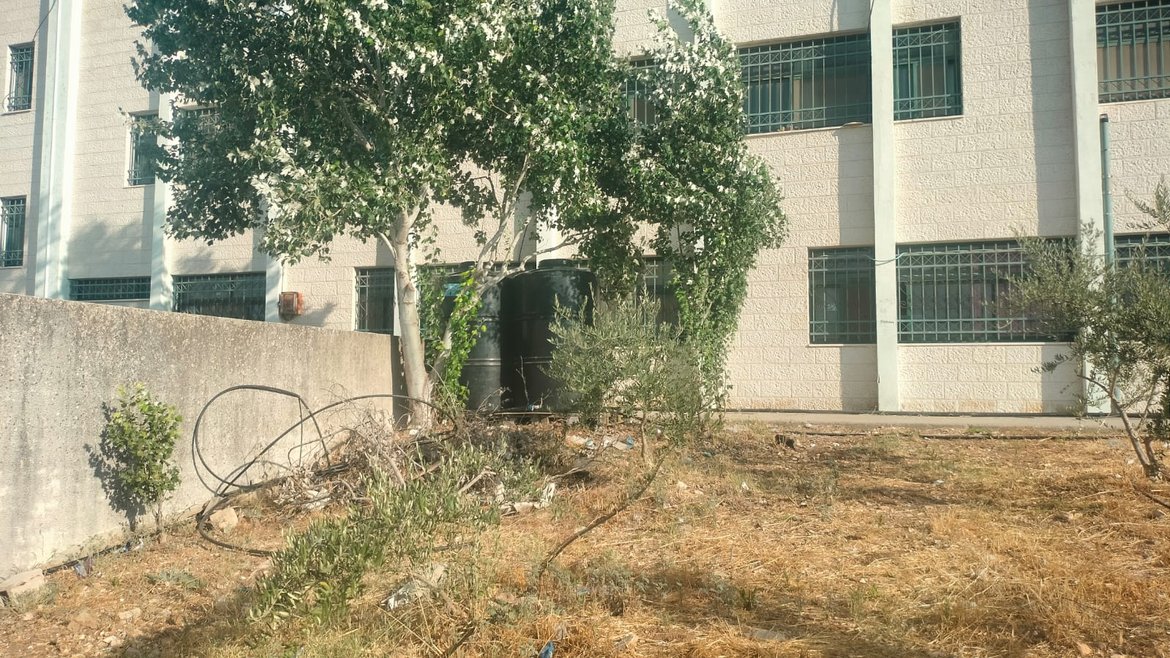
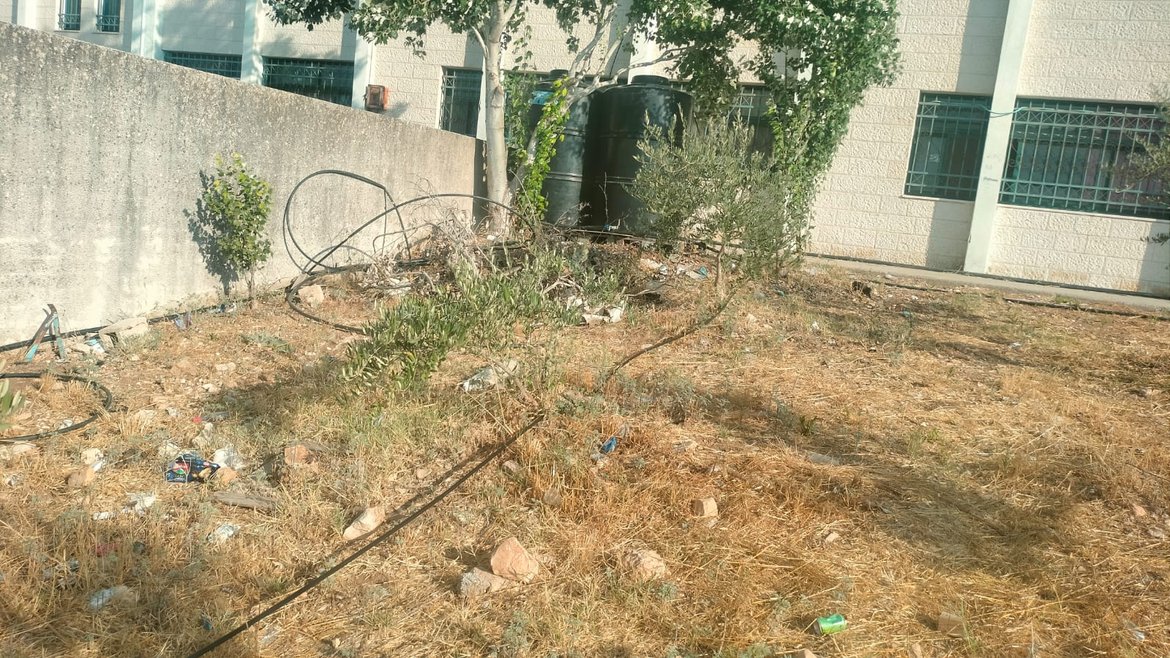
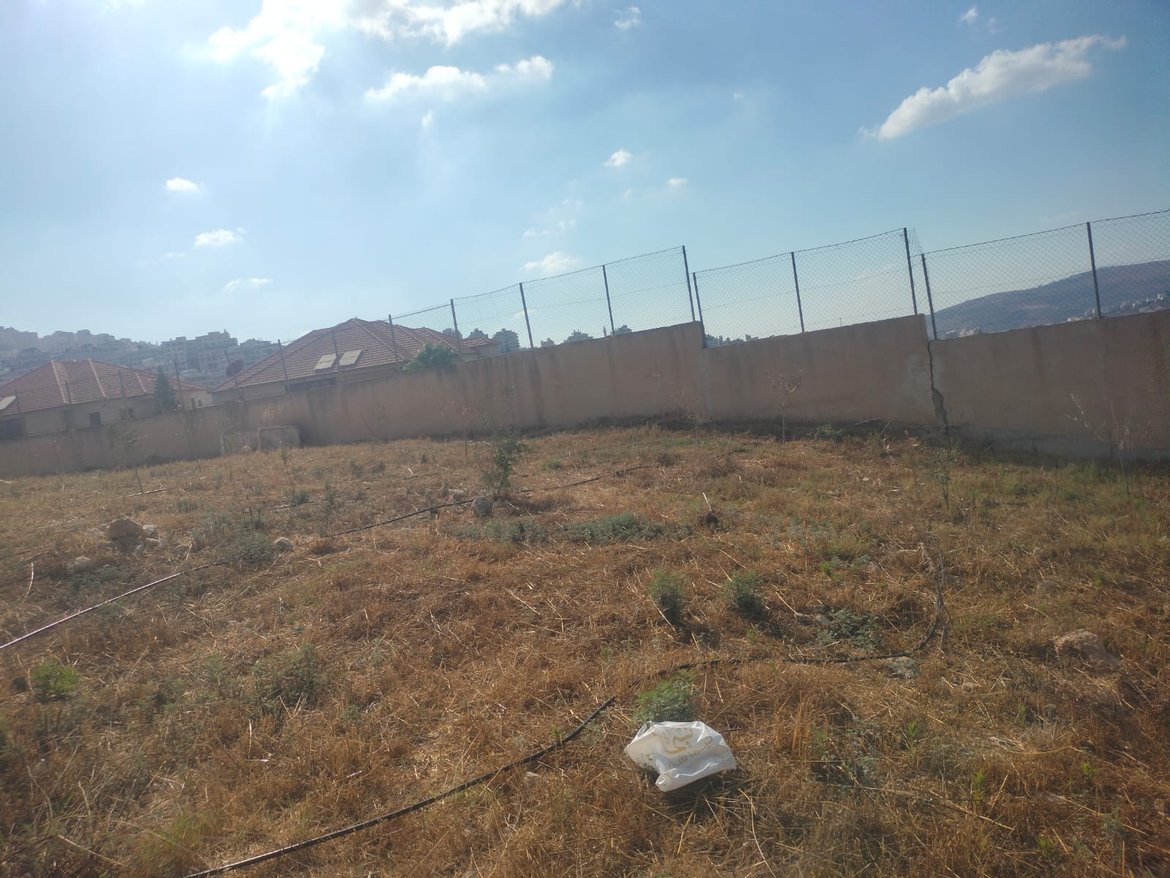
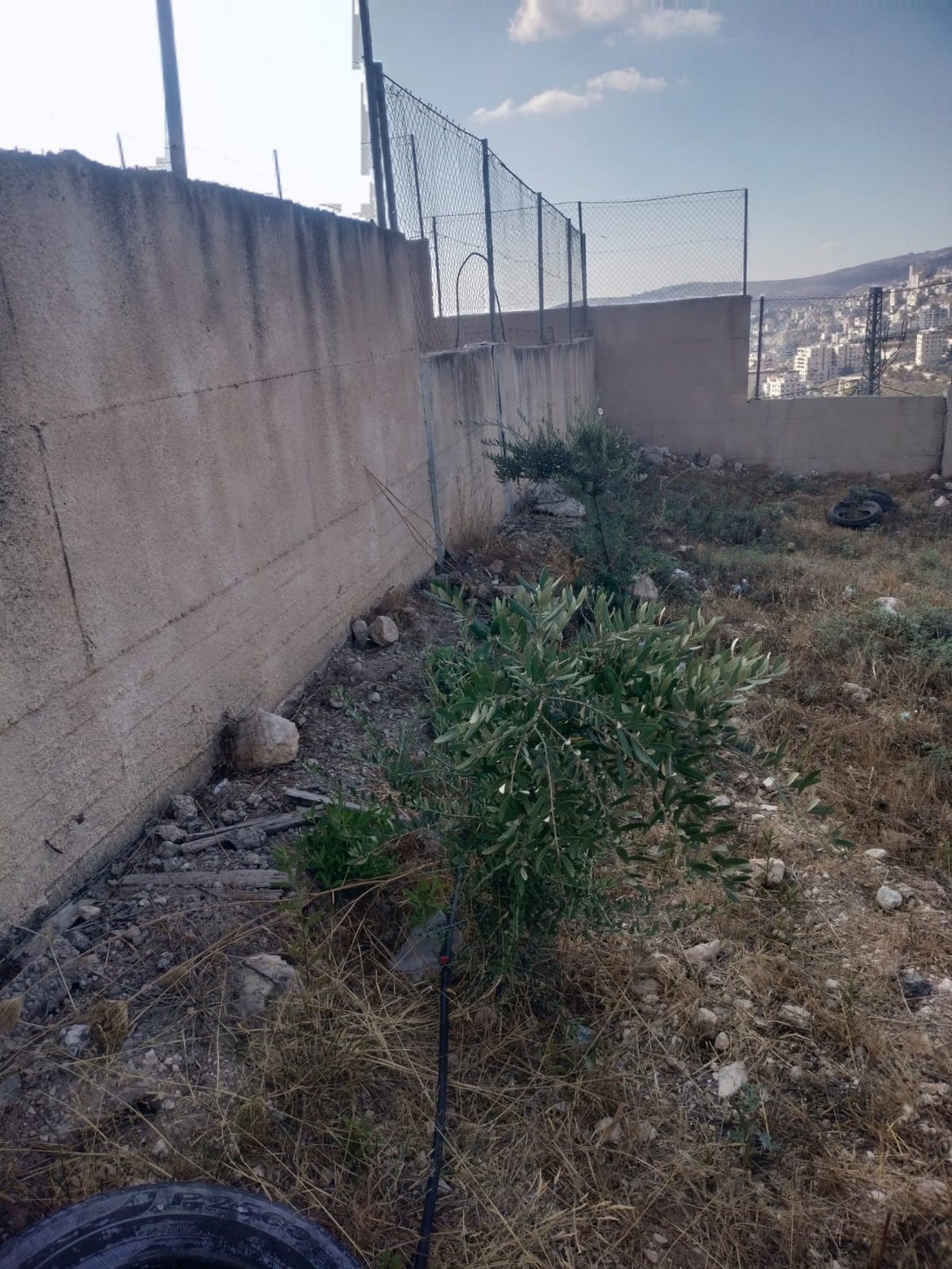
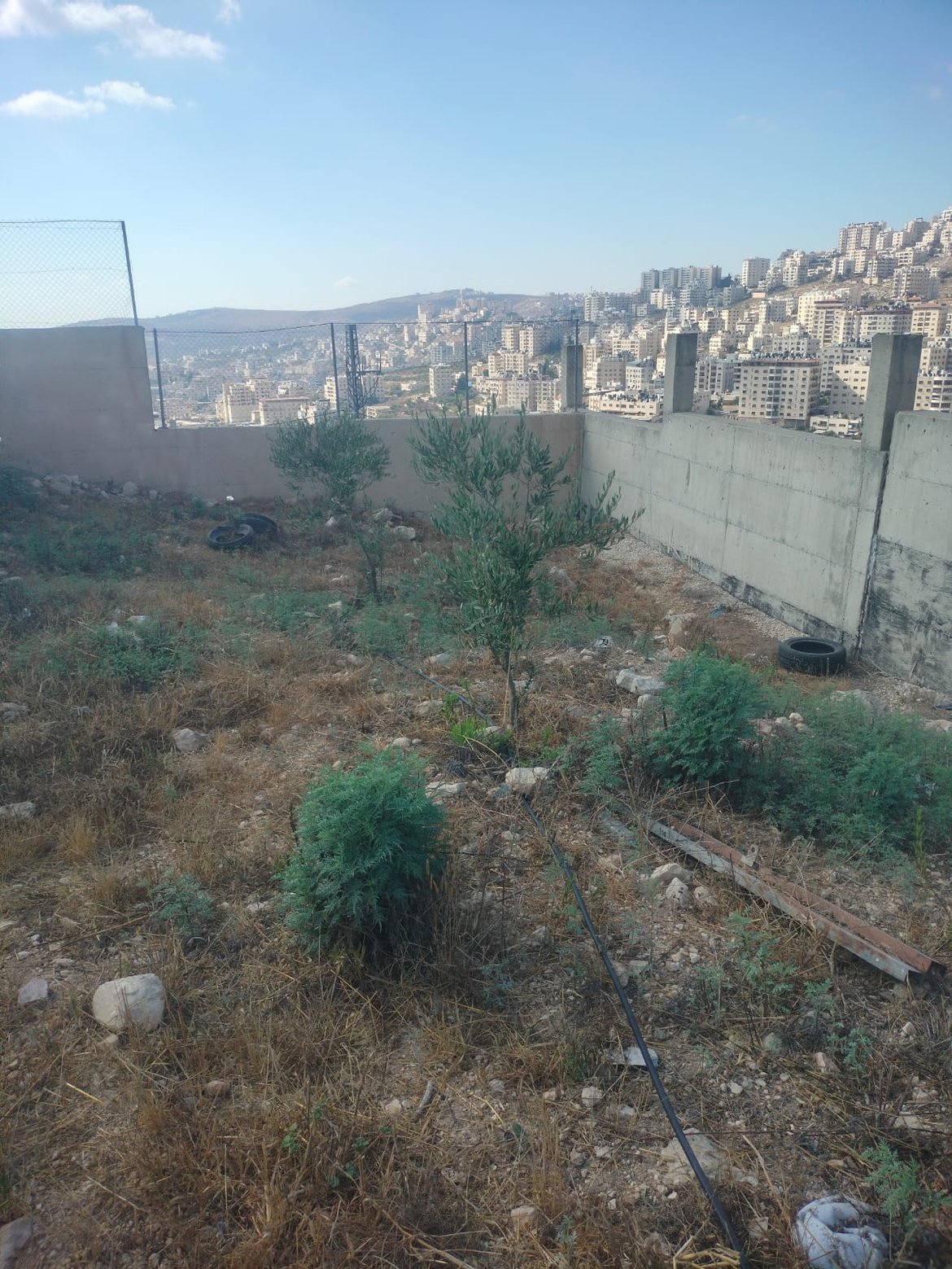
The project included implementing three practical models of drip irrigation systems in three schools in the city of Nablus, where a modern irrigation network was installed in Ibn Sina Basic Girls’ School to water 39 olive trees previously planted by the center, while a similar network was implemented in Sheikh Muhammad Tuffaha Secondary Girls’ School to provide regular irrigation for 82 trees, including 58 olive trees and 24 jacaranda trees, and finally a modern irrigation network was installed in Yasser Arafat Secondary Girls’ School to water 34 olive trees also previously planted by the center.
Drip irrigation is one of the most efficient and sustainable irrigation methods, as it relies on delivering water directly to the roots of trees in measured and regular amounts through a network of pipes and emitters, which reduces water loss resulting from evaporation or surface runoff, increases the efficiency of water resource use, and ensures that each tree receives its actual water needs, thereby enhancing its growth and increasing its ability to withstand various climatic conditions.
This system also helps reduce maintenance and irrigation costs, limit the growth of harmful weeds, and improve soil health, in addition to raising the survival rates of planted trees, making it an ideal option to support afforestation projects, especially in light of the challenges associated with water scarcity and climate change.
The center affirmed that investing in sustainable irrigation systems represents a natural extension of tree-planting campaigns, and reflects its keenness to ensure the sustainability of trees and maximize their environmental and educational impact within schools, contributing to spreading environmental culture among students and enhancing green spaces in educational institutions.
It is worth noting that the Community Service Center at An-Najah National University has continued implementing its tree-planting campaign across the governorates of the homeland, with the total number planted since the launch of the initiative until the end of the winter of 2026 reaching about 2,338 fruit-bearing and forest trees, as part of its ongoing efforts to support plant cover, enhance environmental sustainability, and entrench the culture of volunteer work and community service.
عدد القراءات: 74