

In a home worn down by harsh circumstances, the family did not need luxury or cosmetic improvements, but the simplest necessities of safe living: a window to protect their children from the cold, a roof that would not allow winter rainwater to seep inside, and a home that could provide them with some security amid health and economic burdens beyond their ability to bear.
From here, the Community Service Center implemented an urgent humanitarian project to rehabilitate the home of a needy family in the city of Nablus, with the aim of improving housing conditions, enhancing safety factors, and providing a safer and more dignified environment for family members, as part of the center’s efforts to support families burdened by poverty and difficult living conditions.
The family lives in extremely harsh circumstances. The father suffers from a chronic illness that has left him unable to work, while the mother struggles to care for her seven children and manage the family’s daily affairs. Among the children, one daughter is battling cancer, another suffers from a thyroid disease, and one of the sons needs eye surgery, while all the children continue their education and try to hold on to their right to study despite the burdens surrounding them.
The family’s suffering does not end there, as they also live with their elderly grandmother, who in turn suffers from chronic illnesses and requires continuous healthcare and medication. Thus, the family finds itself facing growing health needs against extremely limited financial resources.
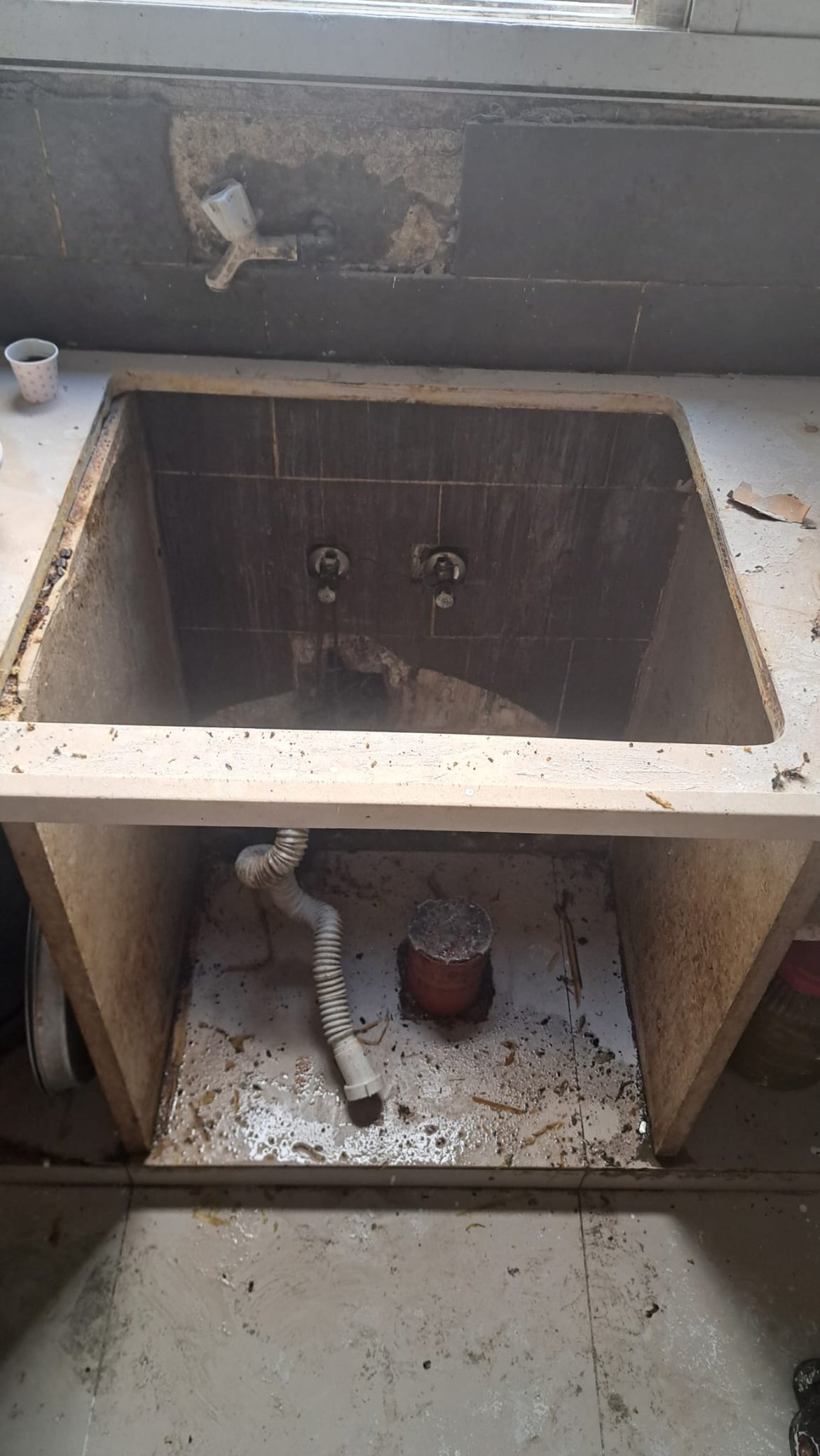
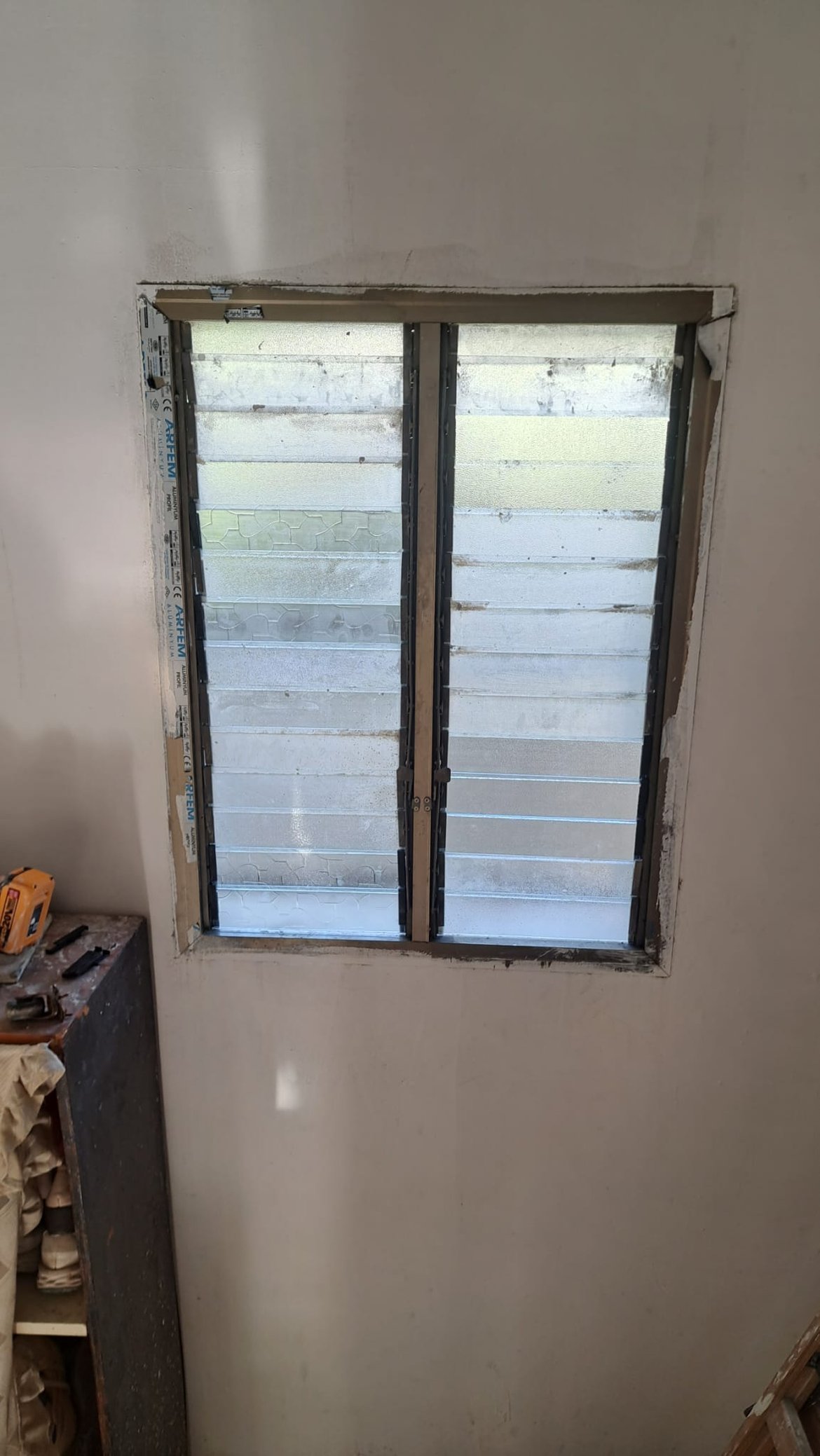
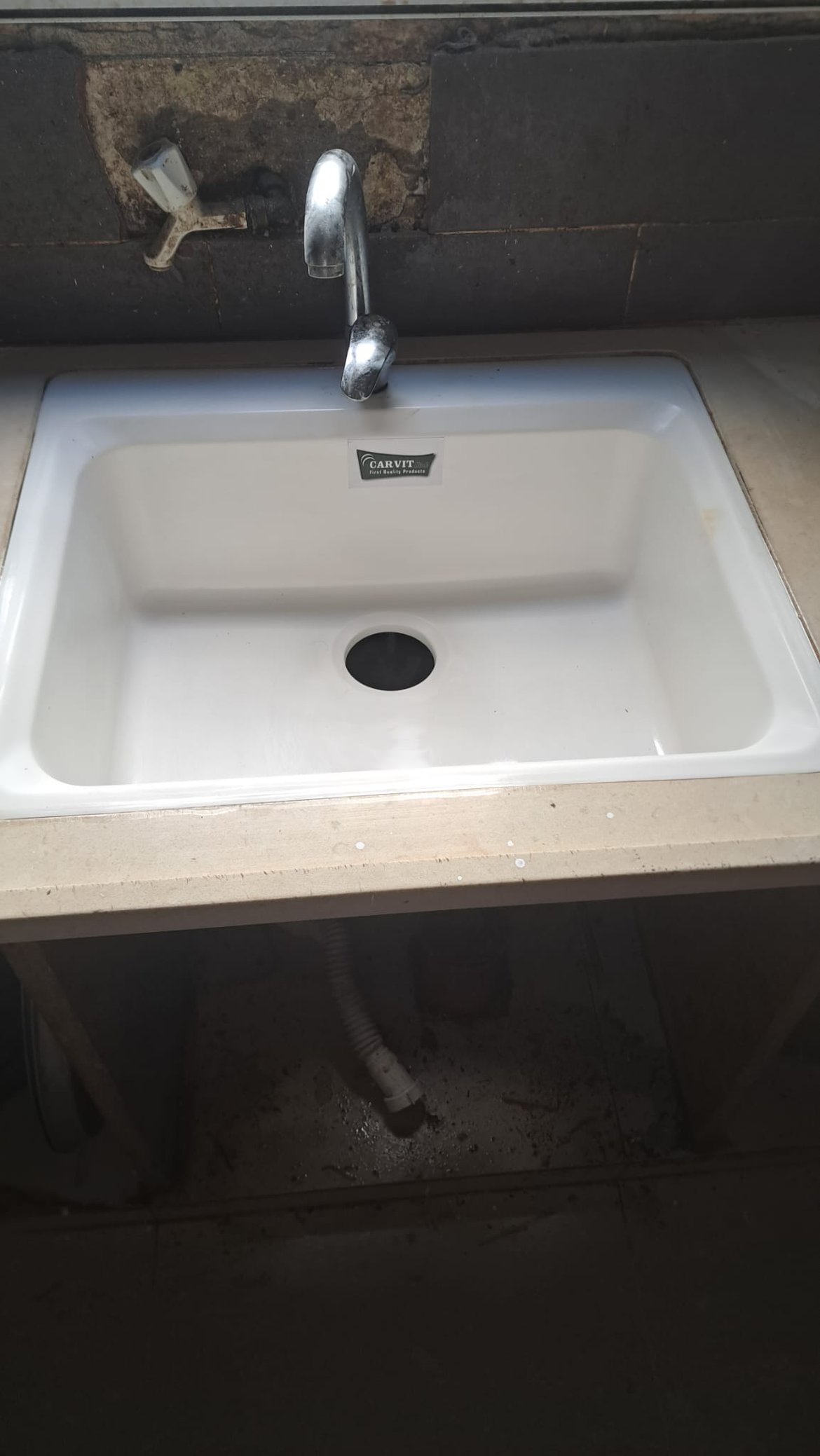
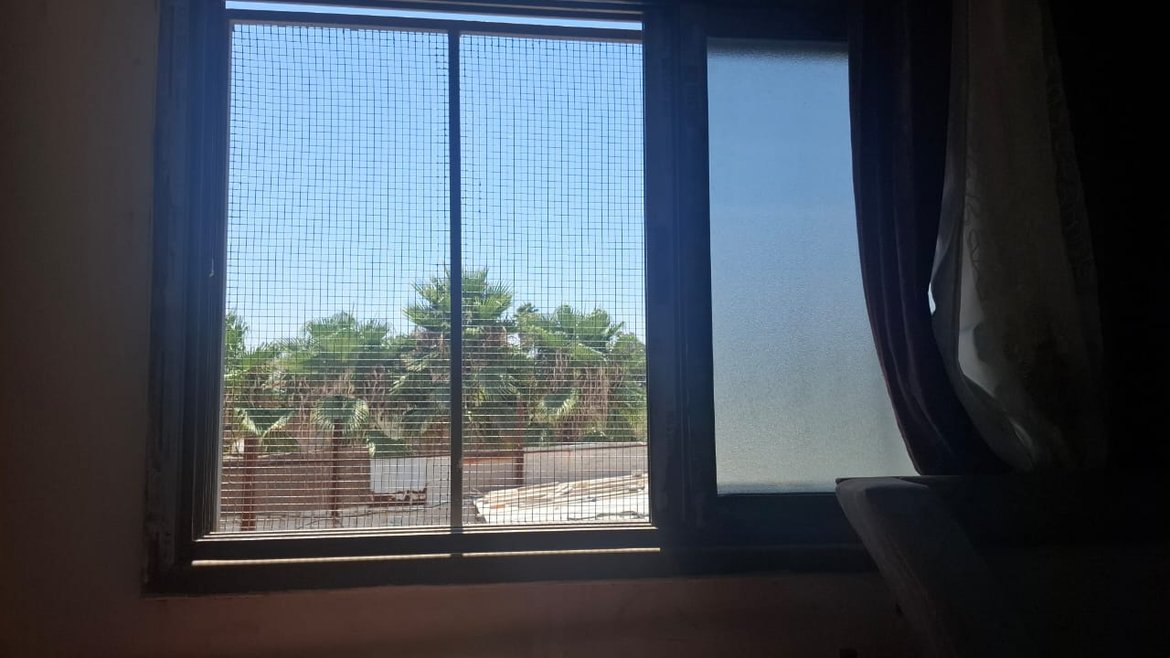
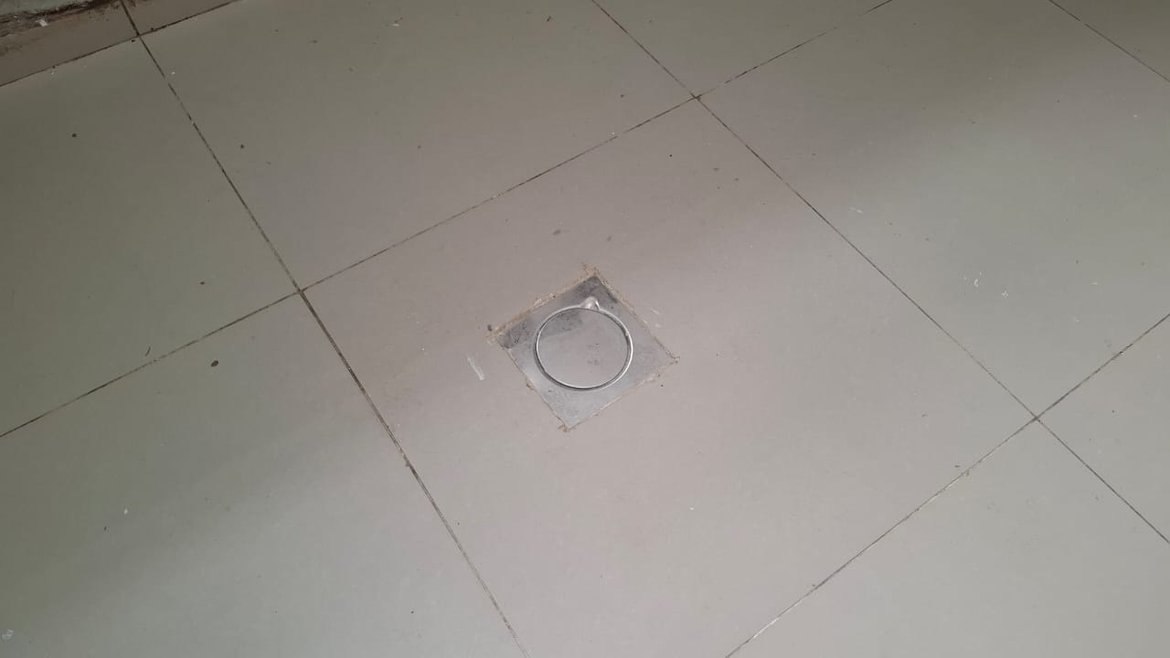
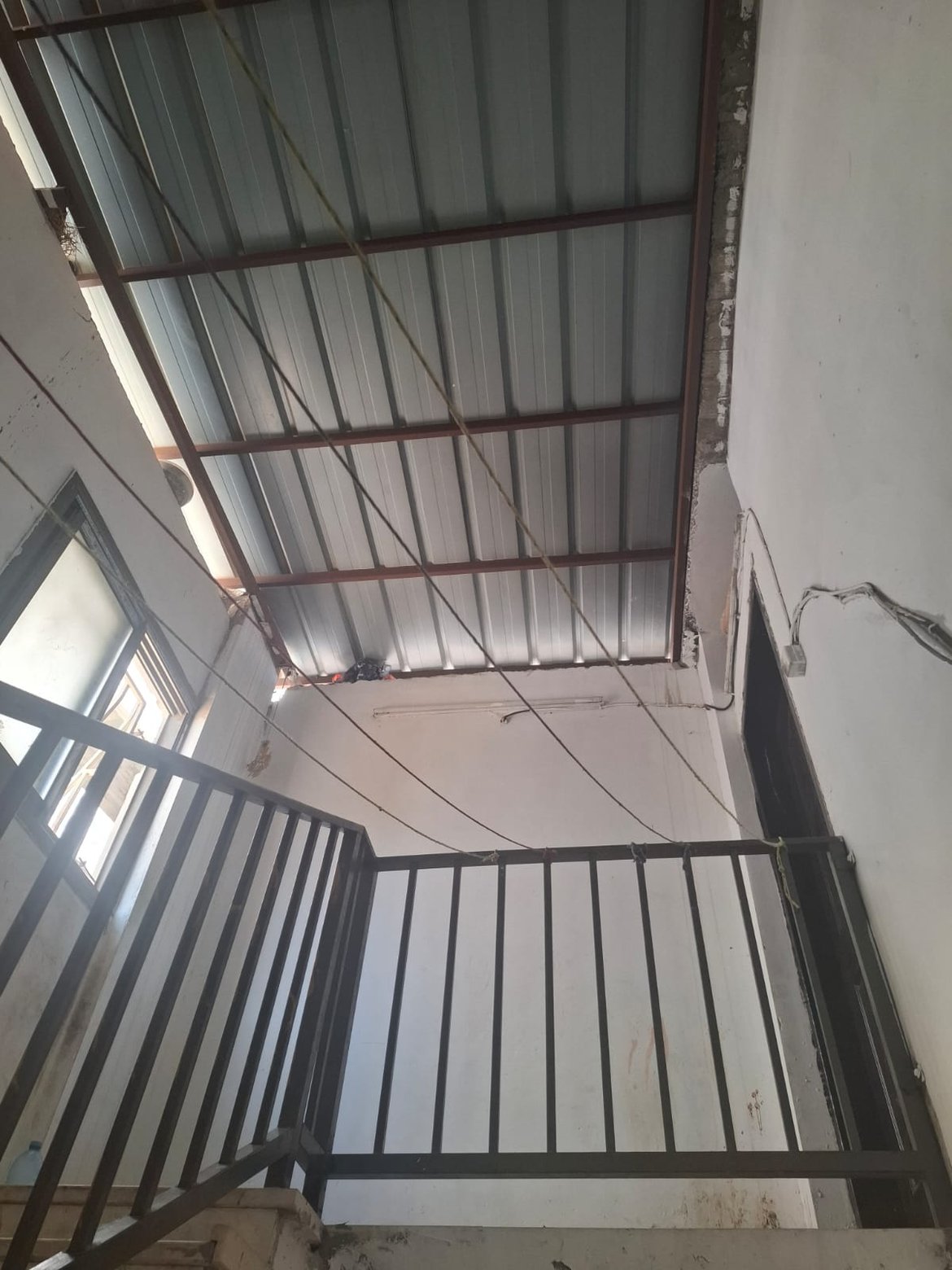
As for the home, which should be their safe haven, it had become in urgent need of repair. The windows were completely damaged, the main sink was broken, and a zinc roof covered the stairway entrance. It had deteriorated to such an extent that rainwater leaked through during the winter, flooding parts of the house. The walls also needed painting and rehabilitation after remaining unpainted.
The center’s intervention came in response to this urgent humanitarian situation, amid the family breadwinner’s inability to work due to his health condition and his inability to secure his family’s basic needs. Although the family receives limited assistance from some charities, such aid is insufficient given the scale of their daily needs, in addition to the costs of treatment and medication shared among the father, the children, and the elderly grandmother.
This family does not face poverty merely as a lack of money; it lives with its consequences in the details of daily life: in a home that does not adequately protect them, in illnesses requiring treatment, and in children trying to continue their education amid pressures they should not have to bear at such a young age.
Cases like this reveal the harshest face of poverty, when the inability to earn an income becomes an inability to repair a broken window, a damaged roof, or provide medicine for a patient. At that point, the home itself becomes part of the suffering, while economic, health, psychological, and social pressures intertwine, placing the family in a continuous cycle of deprivation.
Through this project, the goal was not merely to repair a home, but to restore some sense of security to a family exhausted by circumstances, provide children with a more suitable space for studying and living, ease the burden on a mother struggling alone to keep her family together, and create a more humane environment for patients and an elderly woman in need of care.
Sometimes, change may begin with a repaired window, a restored roof, or a wall that regains its color, but for a family living under the weight of poverty and illness, it can mean much more than that; it can mean that someone has seen its suffering and has not left it alone to face it.


عدد القراءات: 40