

A total of 283 male and female students enrolled in the Community Service and Sustainable Development course at An-Najah National University planted 301 fruit and forest trees in their home gardens during the first semester of the 2025–2026 academic year. The gardens extended across cities and villages in the governorates of Nablus, Jenin, Qalqilya, Tubas, Ramallah, Tulkarm, Hebron, and Salfit, reaching the Palestinian interior in the Triangle and the city of Amman in Jordan, in a scene that went beyond the boundaries of academic obligation.
The planted trees were diverse and reflected the richness of the land. They included stone fruits such as almond, apricot, peach, plum, and cherry; citrus varieties such as orange, lemon, tangerine, clementine, grapefruit, and pomelo; forest and ornamental trees such as cypress, carob, aloe vera, pothos, and eucalyptus; in addition to olive, guava, avocado, apple, fig, pomegranate, palm, and others.
In the Nablus Governorate, 70 olive trees and 100 citrus trees were planted. In the Tulkarm Governorate, 10 olive trees and 22 citrus trees were planted, while the remaining trees were distributed among the other mentioned governorates and regions.
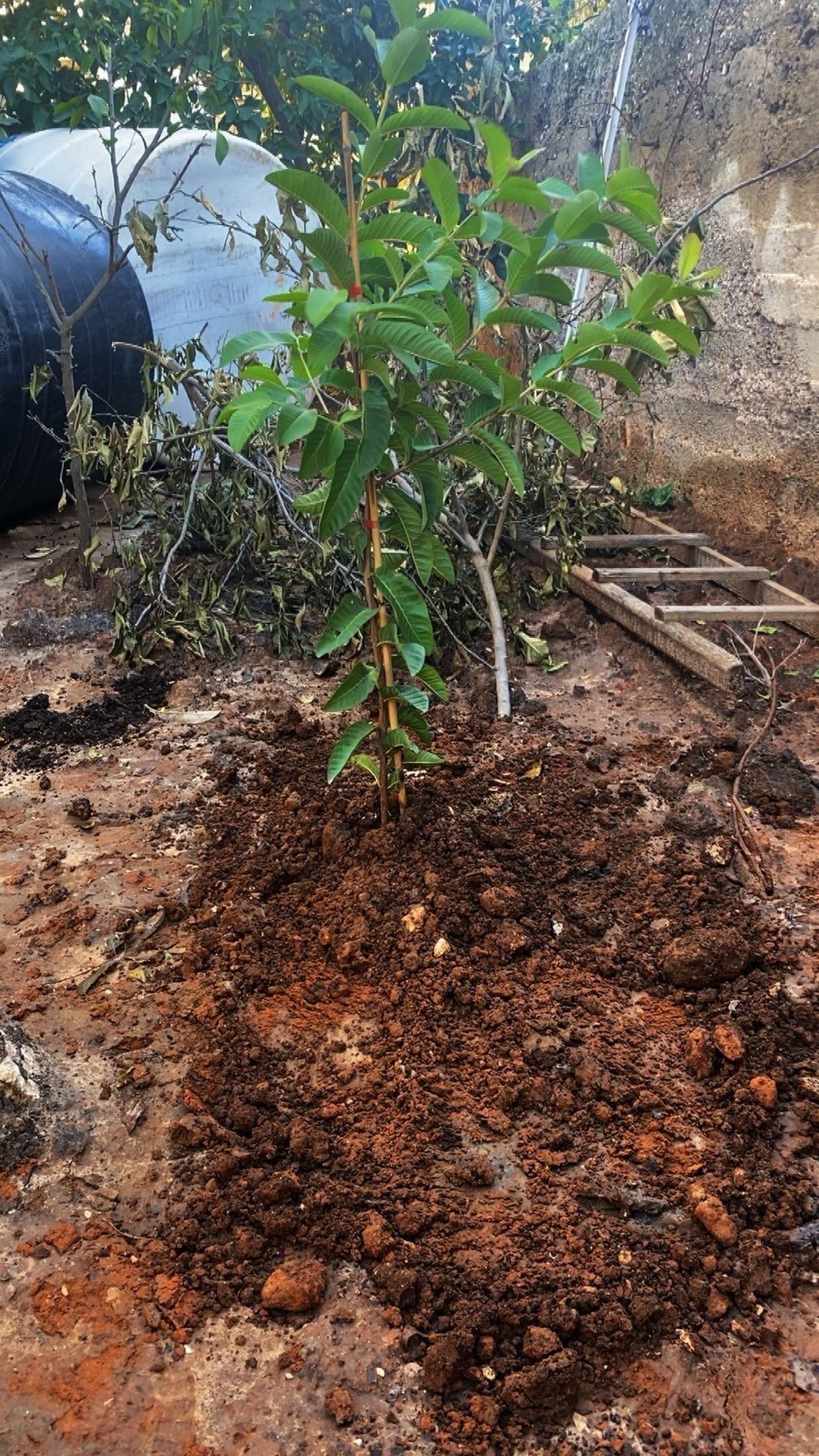
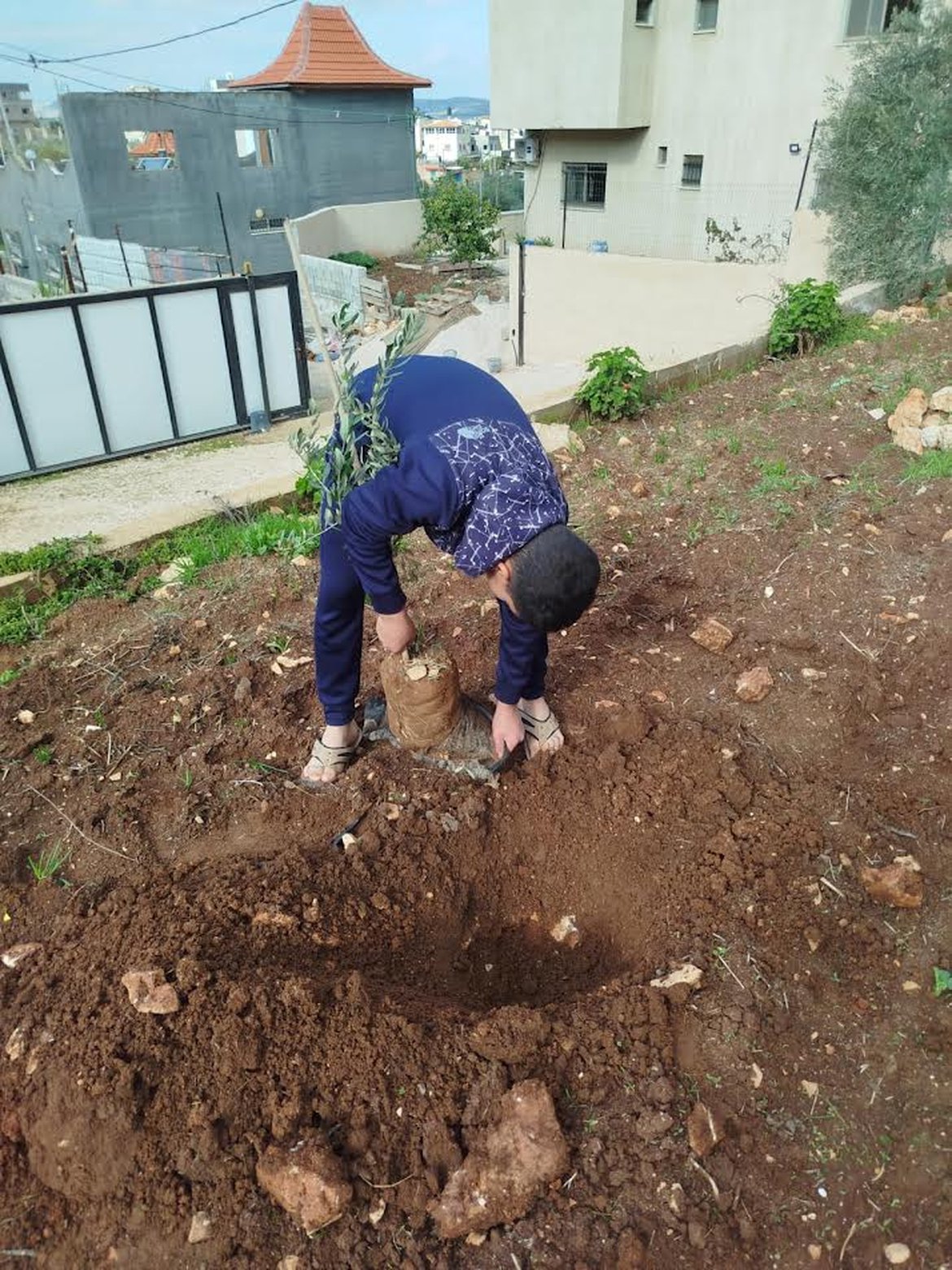
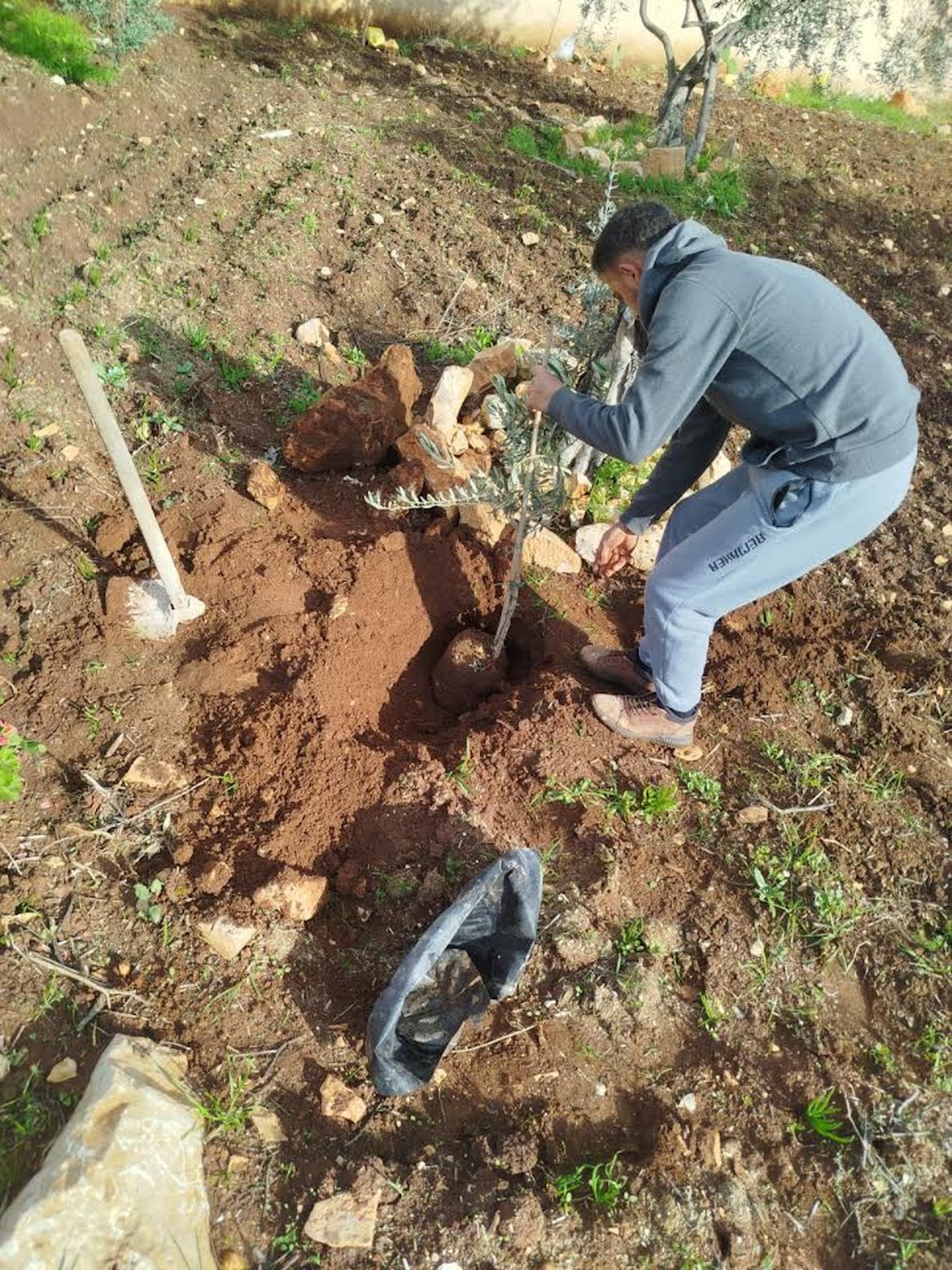
This initiative was implemented as one of the core requirements for successfully completing the community service course, which is supervised by the CSC and requires each student to plant a tree in their home garden. Students were asked to document the planting process through short videos showing the planting of a fruit or forest seedling and the available water source, ensuring that the trees would be irrigated during the summer season. This approach aimed to strengthen
the direct relationship between students and the land and encourage continuous care and responsibility.
While reviewing the submitted videos, it was noted that in some cases parents and relatives participated alongside their daughters in the planting process. This took place in an atmosphere of shared conviction and cooperation and offered a spontaneous reflection of Palestinian belonging, affirming that the land is not owned by one generation alone but is an inheritance passed through hands and hearts.

عدد القراءات: 58