

A specialized training course to qualify caregivers for the elderly was concluded at An-Najah National University. The course was jointly organized by the An-Najah Institute for Childhood and the CSC, with the aim of preparing qualified personnel capable of providing comprehensive humanitarian care for the elderly in a manner that preserves their dignity and enhances their quality of life.
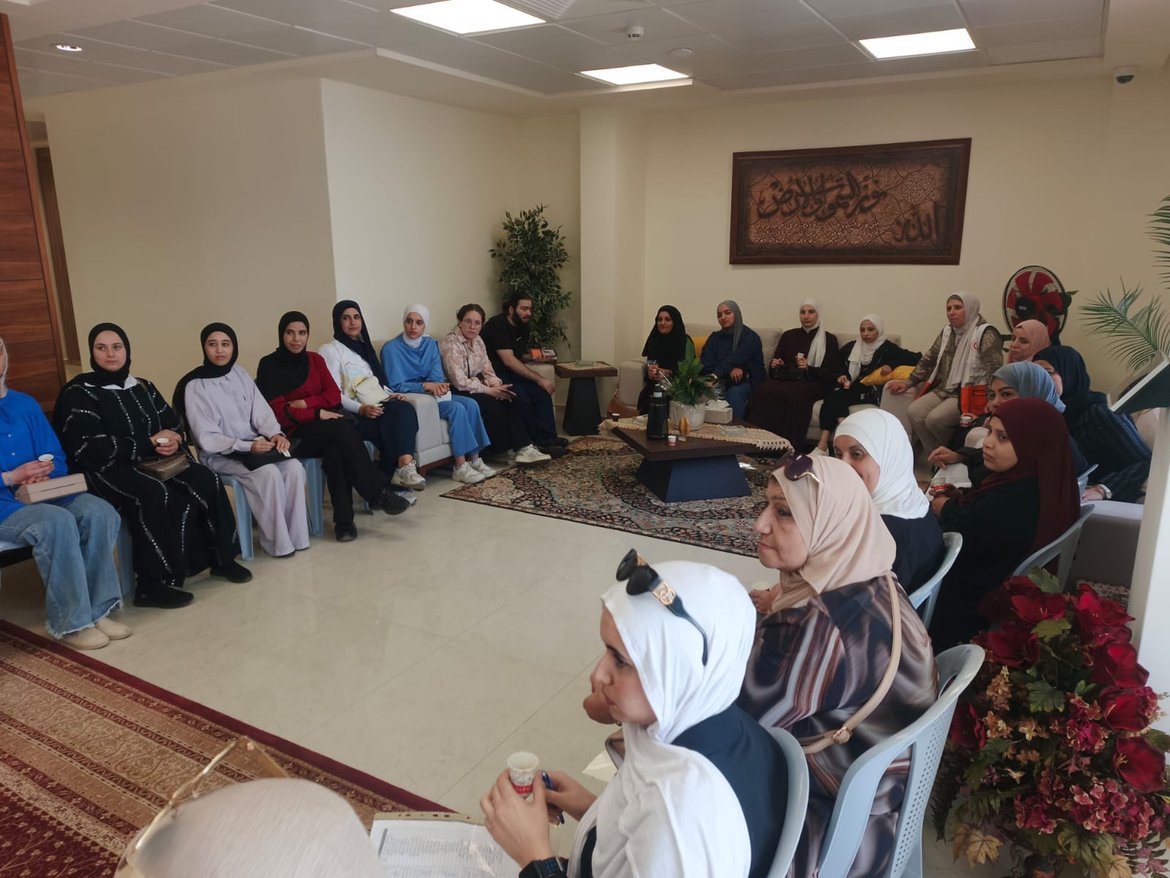
The course was divided into two training sections and included 52 participants from various backgrounds and interests. It lasted for 40 training hours and saw the participation of young men and women interested in developing their skills in the field of elderly care.
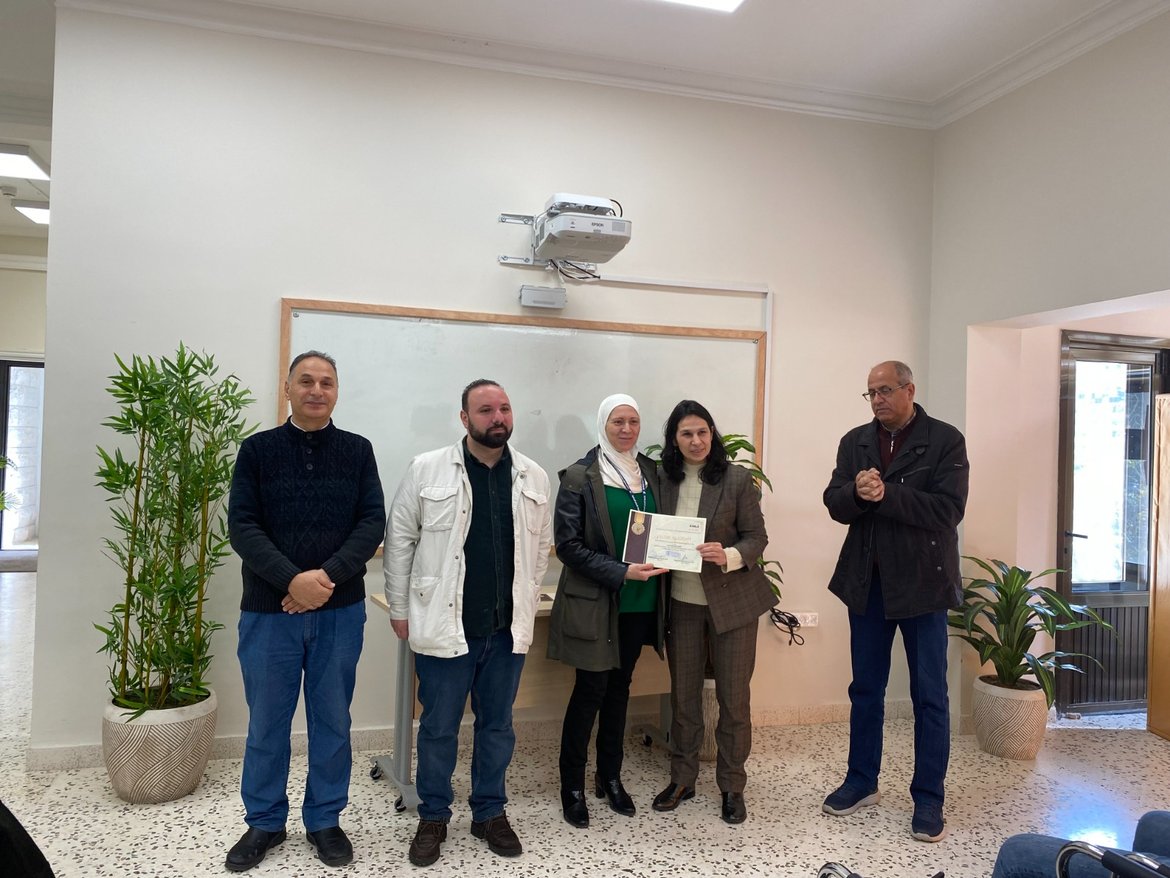
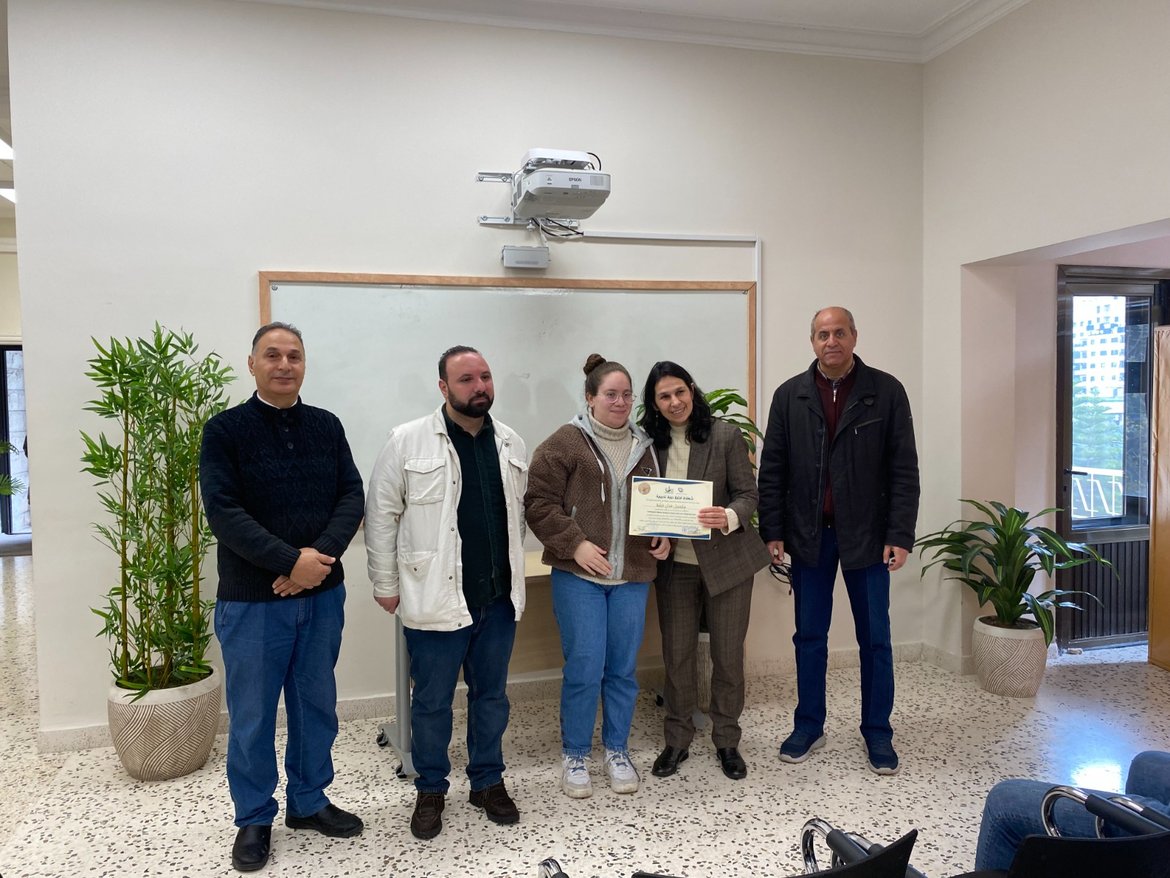
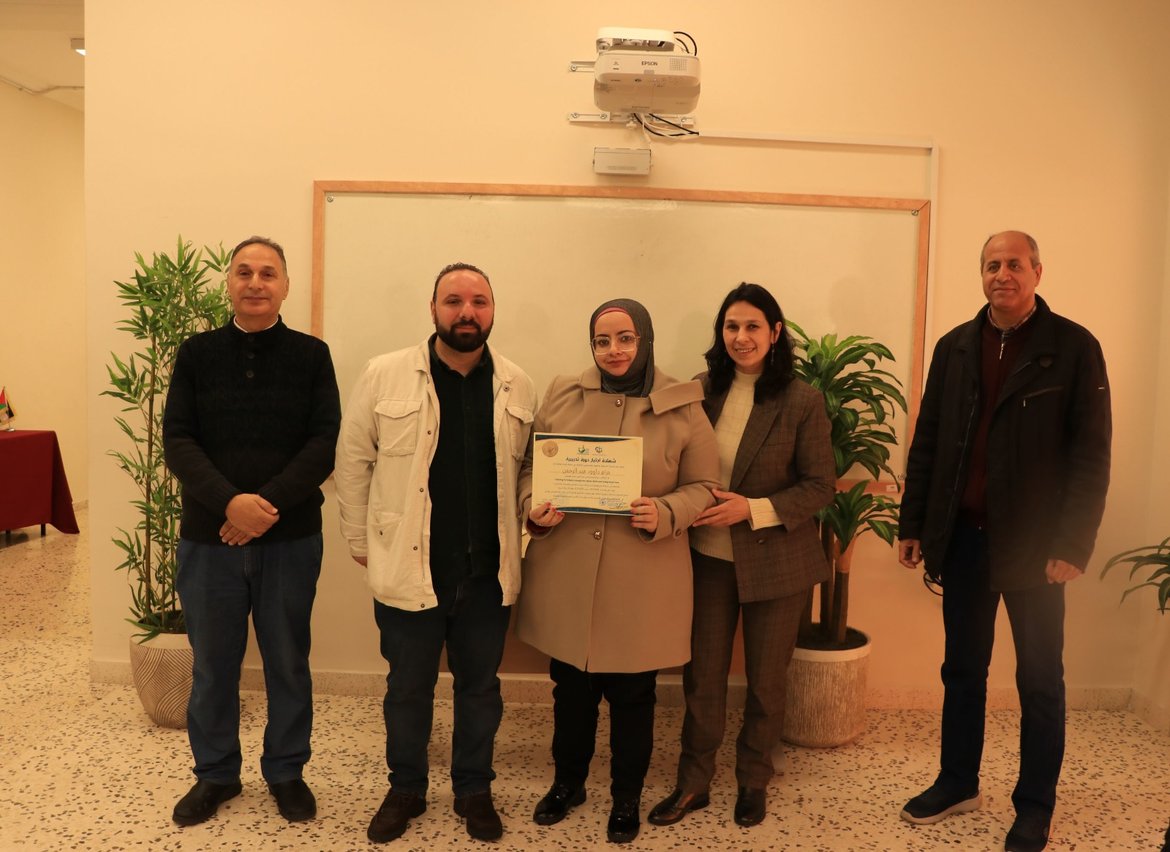
The graduation ceremony was held at the Success Innovation Park in the presence of Dr. Suhail Saleh, Director of the Success Academy for Training, Mr. Raed Al-Daba’i, Assistant to the University President for Community Affairs, Ms. Farah Darwazeh, Director of the Success Institute for Childhood, and Mr. Alaa Abu Dhahir, Director of the CSC.
Speakers highlighted the importance of the course in responding to the growing societal need for home care services for the elderly. They also emphasized the university’s social responsibility and the role of its programs, departments, and centers in implementing training, social, and humanitarian initiatives that serve different segments of society.
The course covered comprehensive theoretical and practical topics, including the concept of aging and the physical and psychological changes associated with it, common diseases among the elderly, ethics of care, daily care skills, monitoring vital signs, first aid, and injury prevention.
Special attention was given to psychological and emotional aspects of elderly care, such as dealing with mood changes, isolation, loneliness, and age-related disorders. The course also focused on enhancing communication skills and building relationships based on respect and trust.
Additional topics included effective communication with the elderly and the challenges that may hinder it, such as social isolation, loss of independence, reduced mobility, increased vulnerability to illness, and side effects of certain medications. Participants were also introduced to tools that support daily living and methods for adapting the home environment to meet the needs of the elderly, as well as implementing motivational, recreational, and psychological support activities to improve quality of life.
The interactive training was delivered by a group of specialists in medicine, psychology, community service, special education, occupational therapy, and nursing. Contributors included Professor Farah Darwazeh, Professor Razan Iskandar, special education specialists Duaa Hamdan and Muhammad Halaika, rehabilitation specialists Zein Marmash and Mai Shadid, Lama Nasrallah, Ann Ishtayeh, Aisha Ramadan, Ola Abu Khater, Hadeel Najjar, Bashayer Abu Khadija, Heba Allah Yassin, physical therapist Adla Shalhoub, Dr. Suha Hamshari, Director of
An-Najah Medical Clinics, Mona Al-Shakhshir, nutritionist at An-Najah National University Hospital, and Dr. Muhammad Mahmoud, physician at the Old Campus Clinic.
The course included practical training on measuring vital signs such as temperature, blood pressure, heart rate, oxygen level, and respiratory rate using medical devices. It also addressed proper nutrition for the elderly and key communication characteristics, including slower response times, sensitivity to tone and language, and the need to feel valued and respected.
Field training visits were conducted at the House of Love and Harmony and the elderly care home of the Palestinian Red Crescent. During these visits, participants learned about services provided to the elderly and applied their acquired knowledge through direct interaction with elderly residents.
Participants emphasized that their involvement in this course was driven by the growing societal need for specialized training for elderly caregivers. They noted that increasing life pressures and work commitments have created a demand for trained caregivers who can provide daily home care for elderly parents, support their physical and psychological well-being, ease the burden on families, and preserve the dignity of older adults.



عدد القراءات: 42