
With a generous donation from benefactors, the CSC distributed 134 food baskets to elderly individuals and people with disabilities during the holy month of Ramadan. Each basket included 15 essential items carefully selected to meet the daily needs of beneficiary families. In total, 622 individuals benefited from the initiative, with a combined financial value of 53,787 shekels.
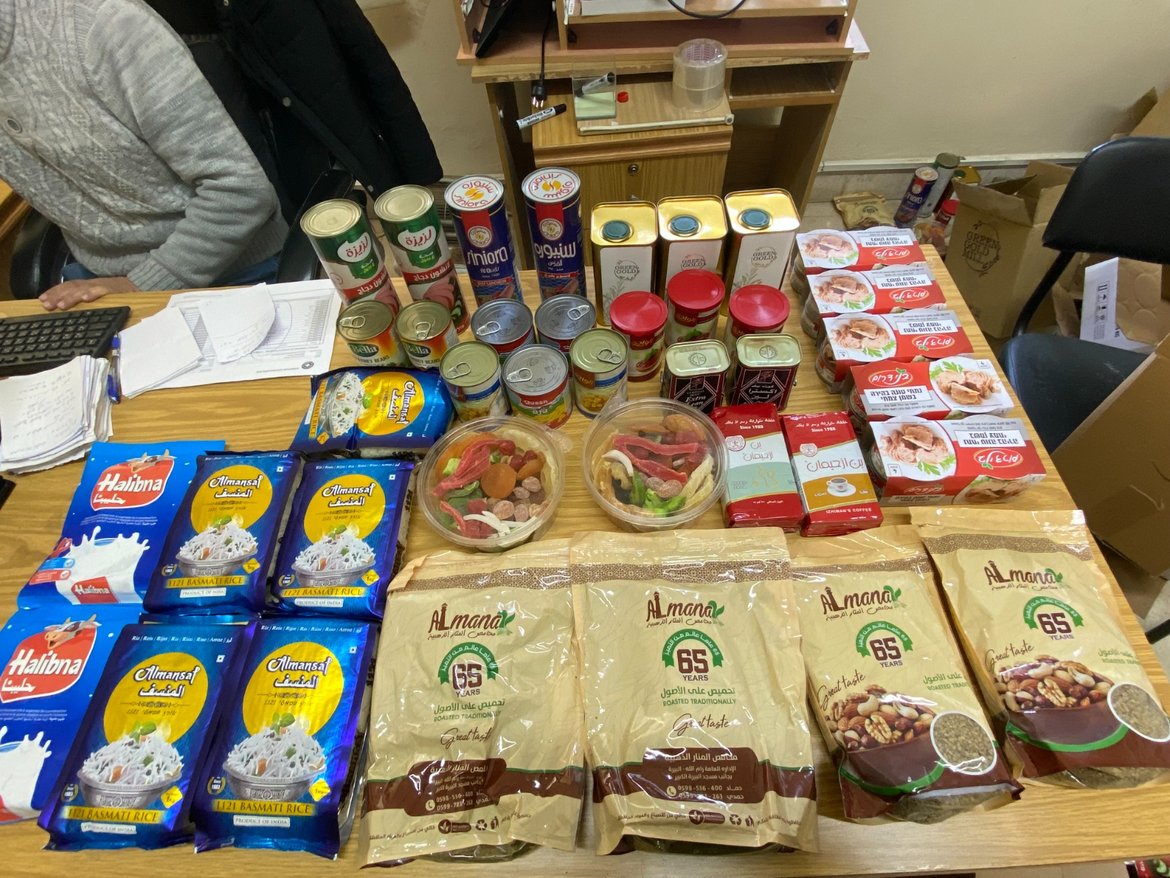
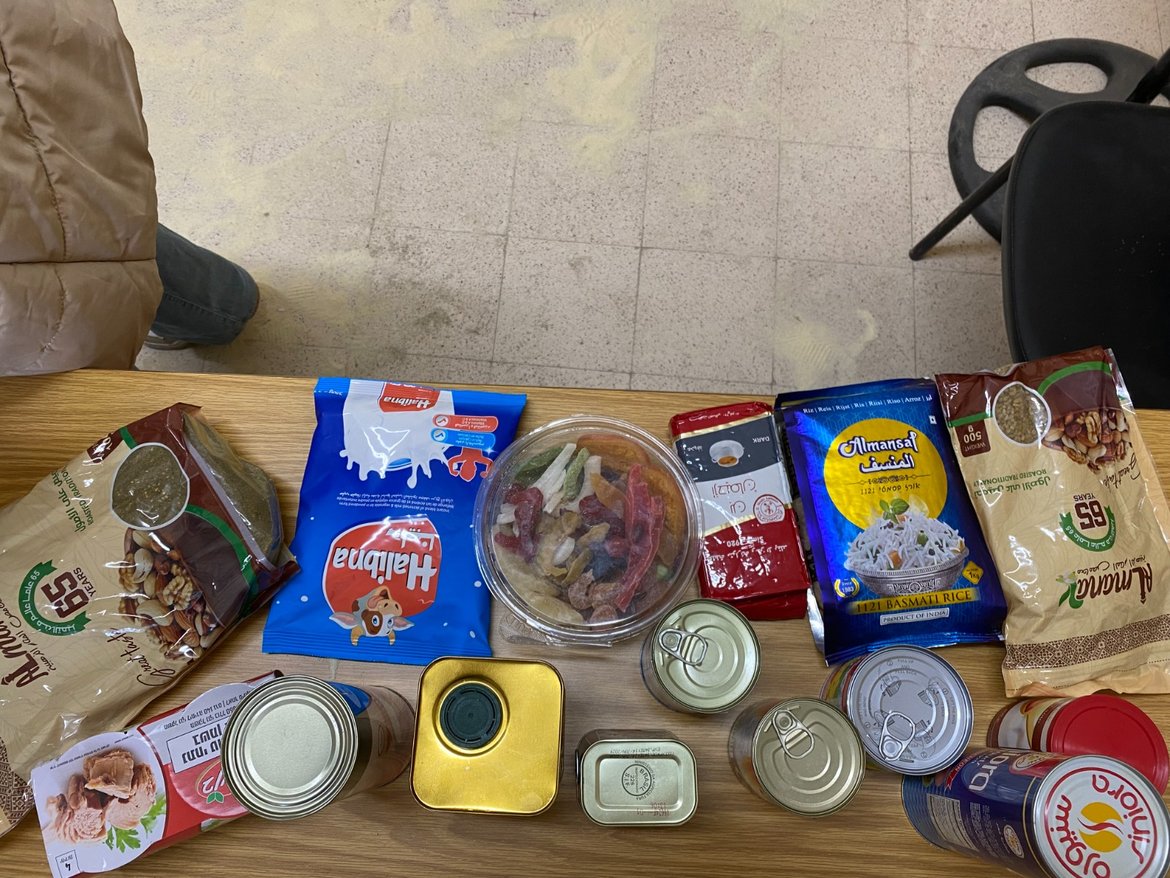
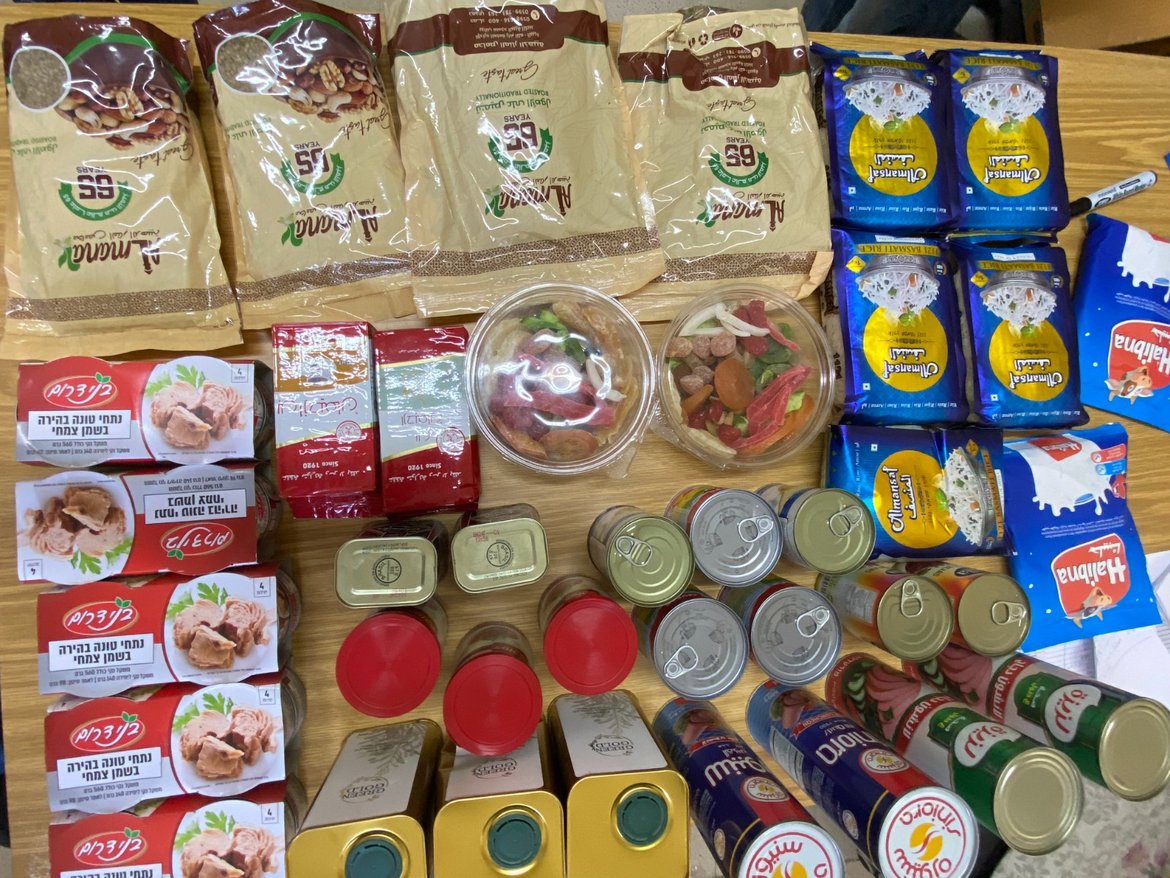
The baskets contained a variety of items, including olive oil, rice, mortadella (beef and chicken), freekeh, thyme, dried fruit, canned tuna, canned beef, canned white and red beans, coffee, tomato sauce, canned corn, and powdered milk. These items were more than just food; they conveyed care, support, and concern for the well-being of the recipients.
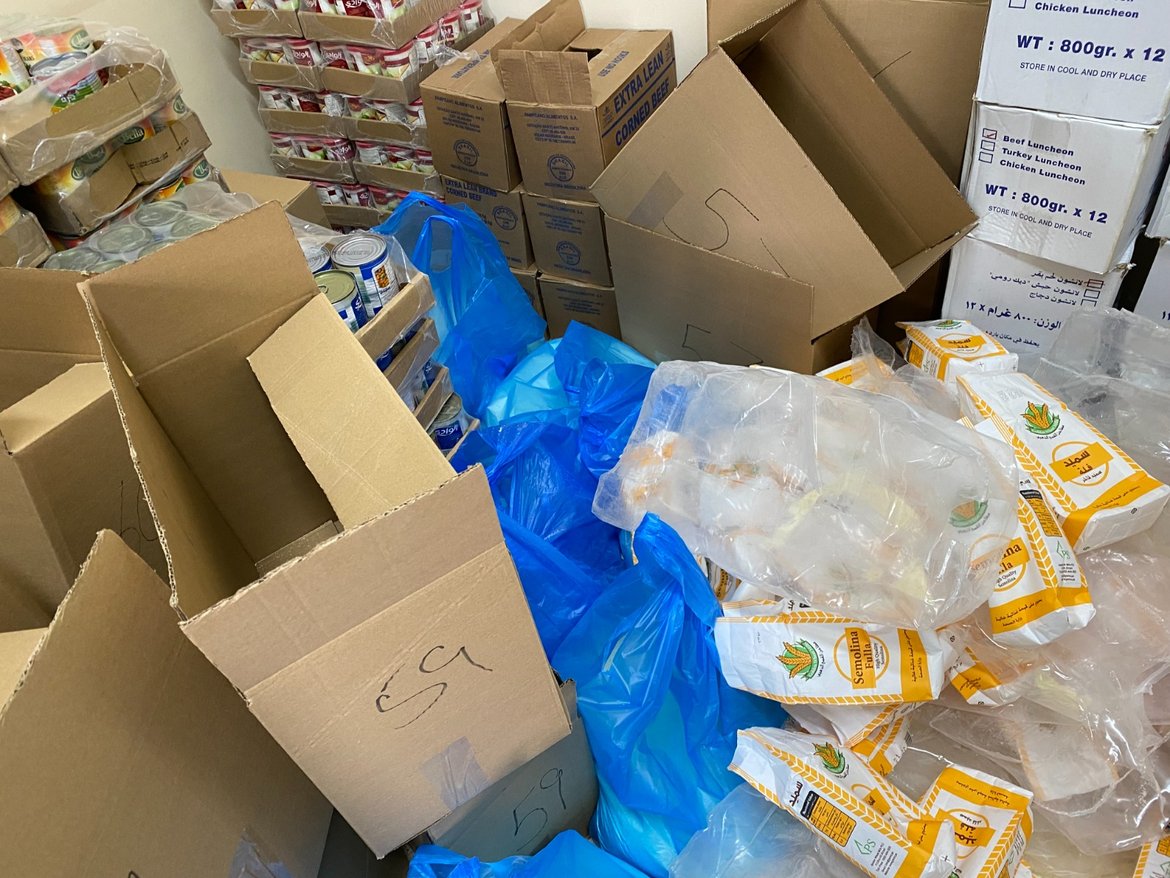
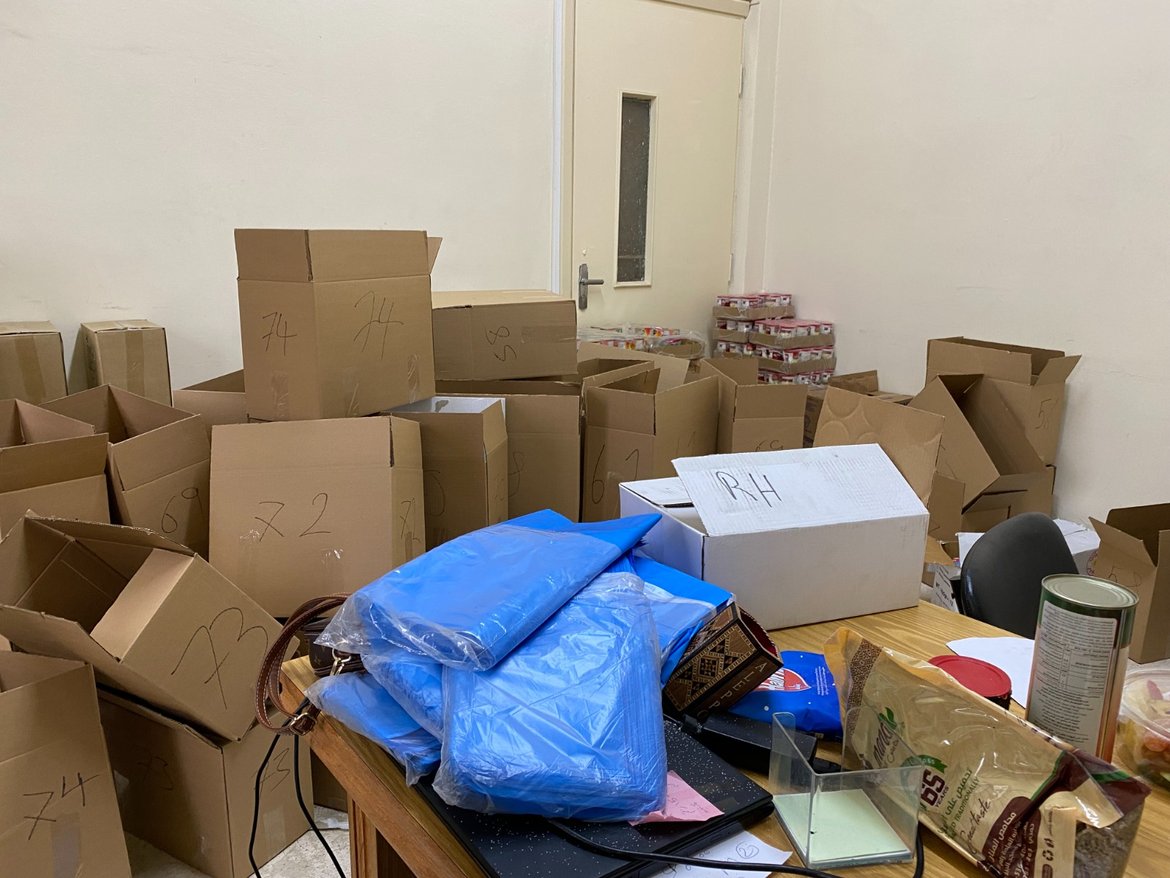
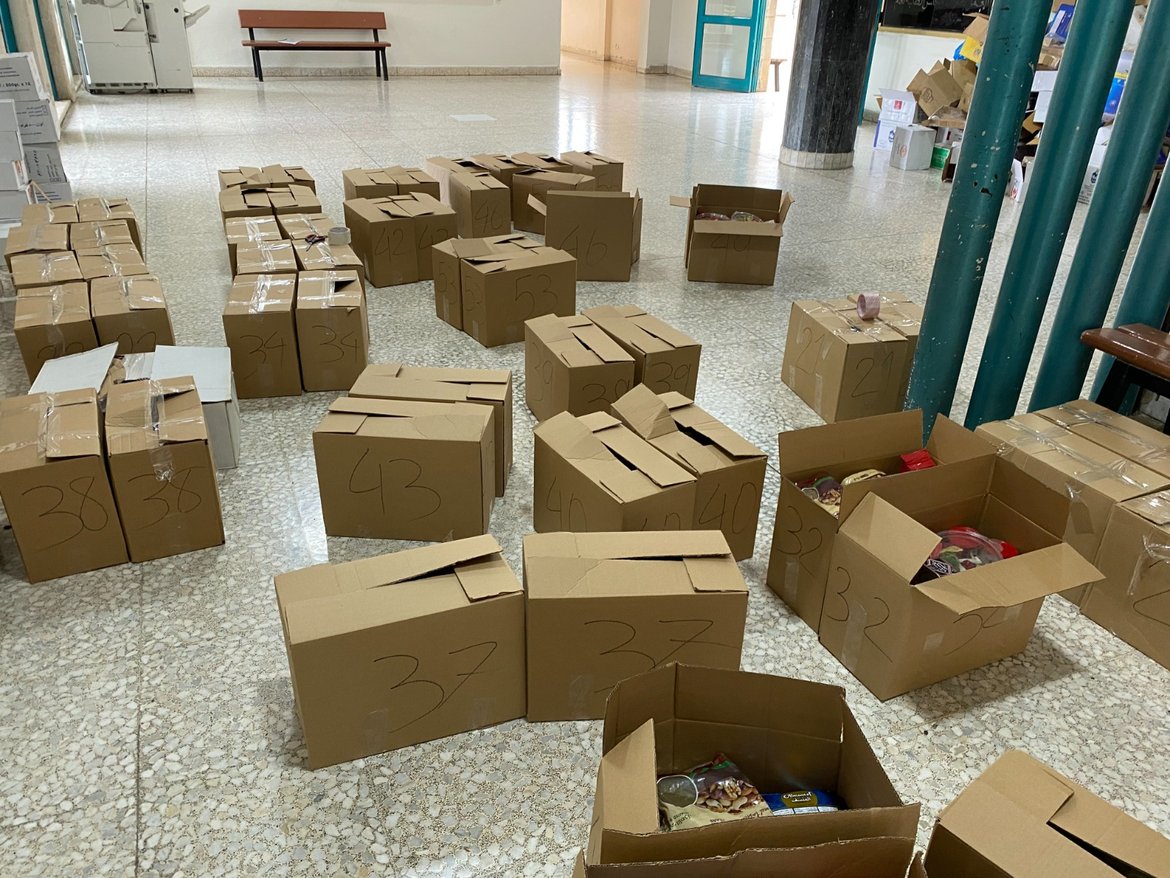
Preparation of the food baskets began on the old campus, where six pallets of supplies were collected and transported to the CSC offices with the participation of staff and volunteers. There, the process became a true humanitarian effort as students and volunteers meticulously sorted and packed the supplies into 134 large baskets, creating a scene that reflected teamwork and community spirit.
The initiative targeted 134 families, including 83 families of elderly individuals, 32 of whom were living with a disability or with a family member with a disability, and 49 families of people with disabilities. The distribution extended across the Nablus Governorate, covering the city of Nablus, its four refugee camps: Balata, Askar al-Qadim, Askar al-Jadid, and Ein Camp, numerous cases in the Old City, and 21 villages, including Kafr Qallil, Asira al-Shamaliya, Sebastia, Beit Amrin, Qusra, al-Nasariya, Rujeib, al-Badhan, Majdal Bani Fadil, Talfit, Burin, Burqa, Zawata, Beit Furik, Awarta, Salem, Madama, Asira al-Qibliya, Beit Dajan, and Beit Iba. Additionally, the initiative included one case from Falamya in the Qalqilya Governorate, one from Tammun in the Tubas Governorate, and two displaced elderly families from Nur Shams refugee camp in the Tulkarm Governorate currently residing in Nablus.
Once the baskets were packed, beneficiaries were contacted and invited to the CSC on the old campus to receive their food. Volunteers welcomed them warmly, carried baskets to the nearest transportation, assisted the elderly and people with disabilities, and offered sincere smiles. These gestures made a significant difference, restoring a sense of care, dignity, and social inclusion while alleviating the psychological strain often experienced by these groups.
The positive impact was evident in both beneficiaries and volunteers. Beneficiaries displayed relief, gratitude, and a renewed sense of social belonging, while volunteers gained a profound humanitarian experience that reinforced their values of giving, teamwork, and responsibility toward the most vulnerable.
This initiative is part of an integrated system implemented by the CSC in cooperation with local partners and philanthropists, aimed at combating poverty and promoting social solidarity. It aligns with the Sustainable Development Goals that An-Najah University seeks to advance
through its programs and services, emphasizing that humanitarian work is not only about providing assistance but also about restoring hope and addressing the psychological well-being of those in need.
عدد القراءات: 20