
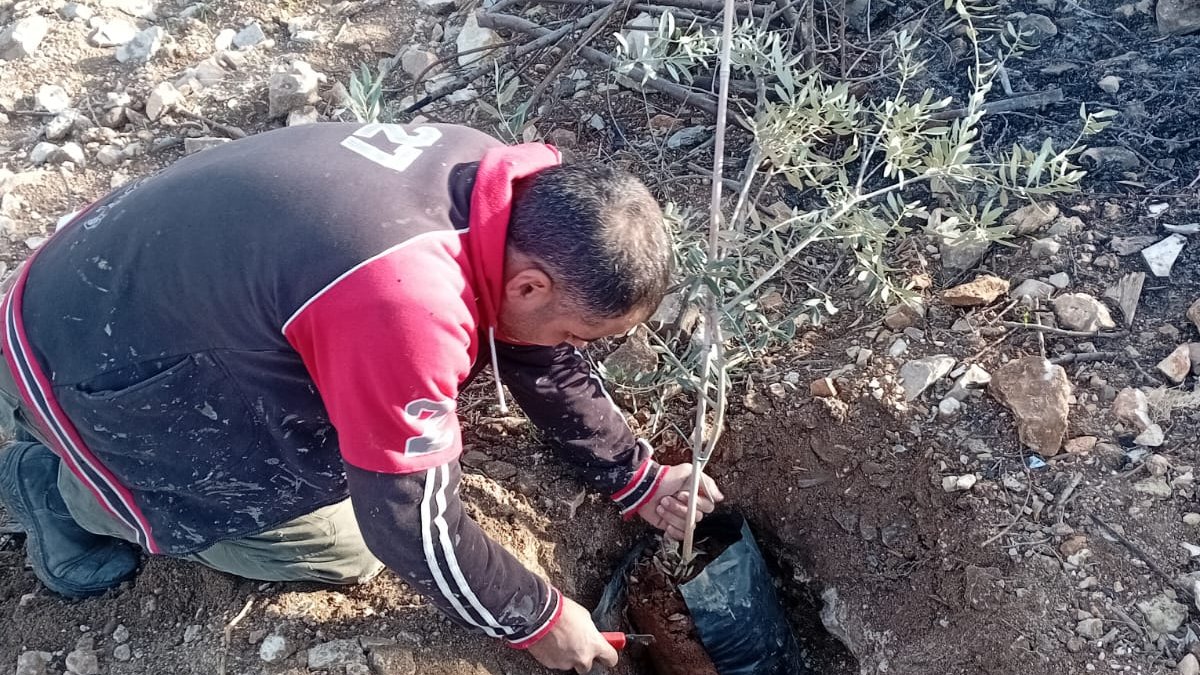
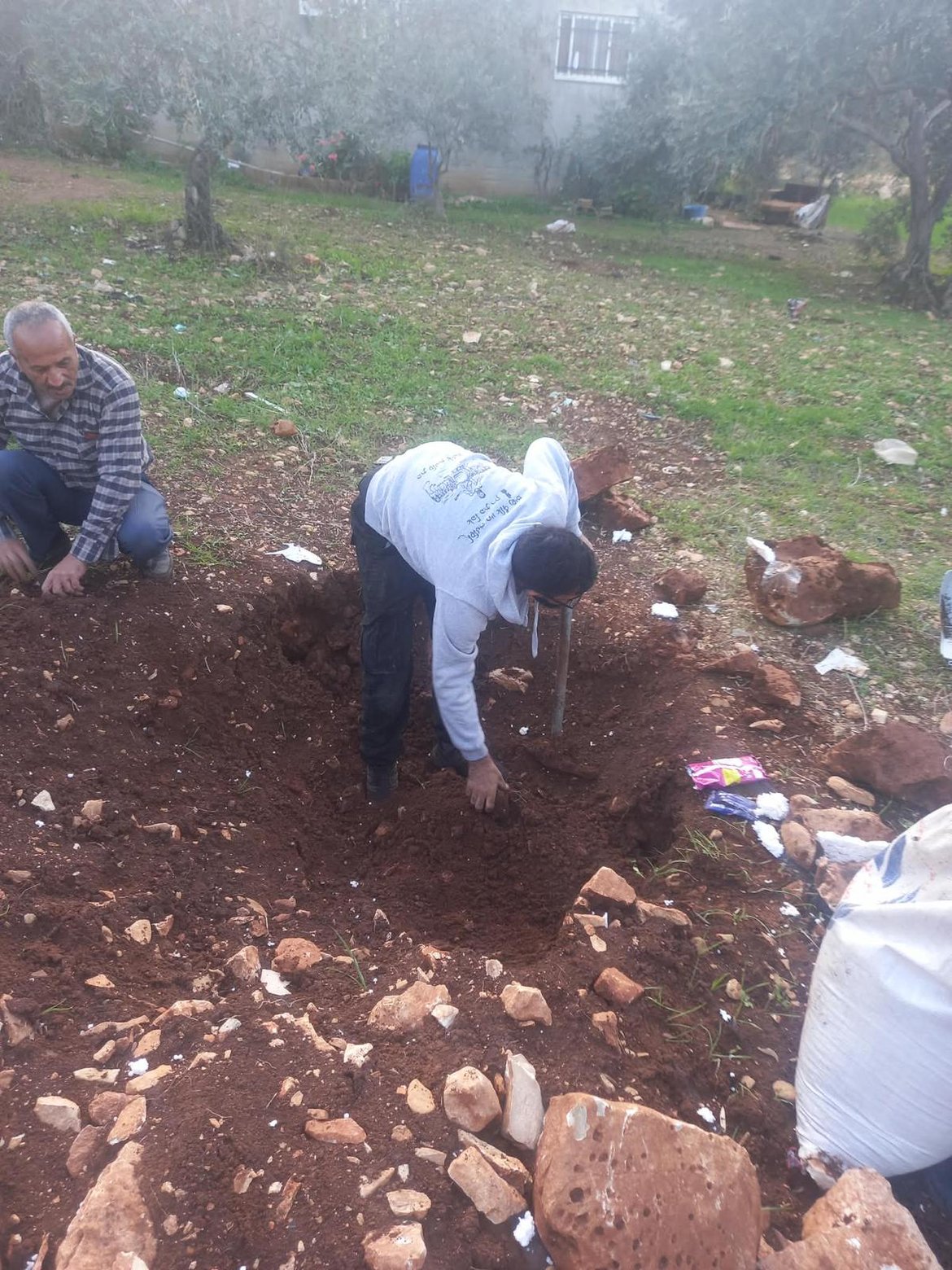
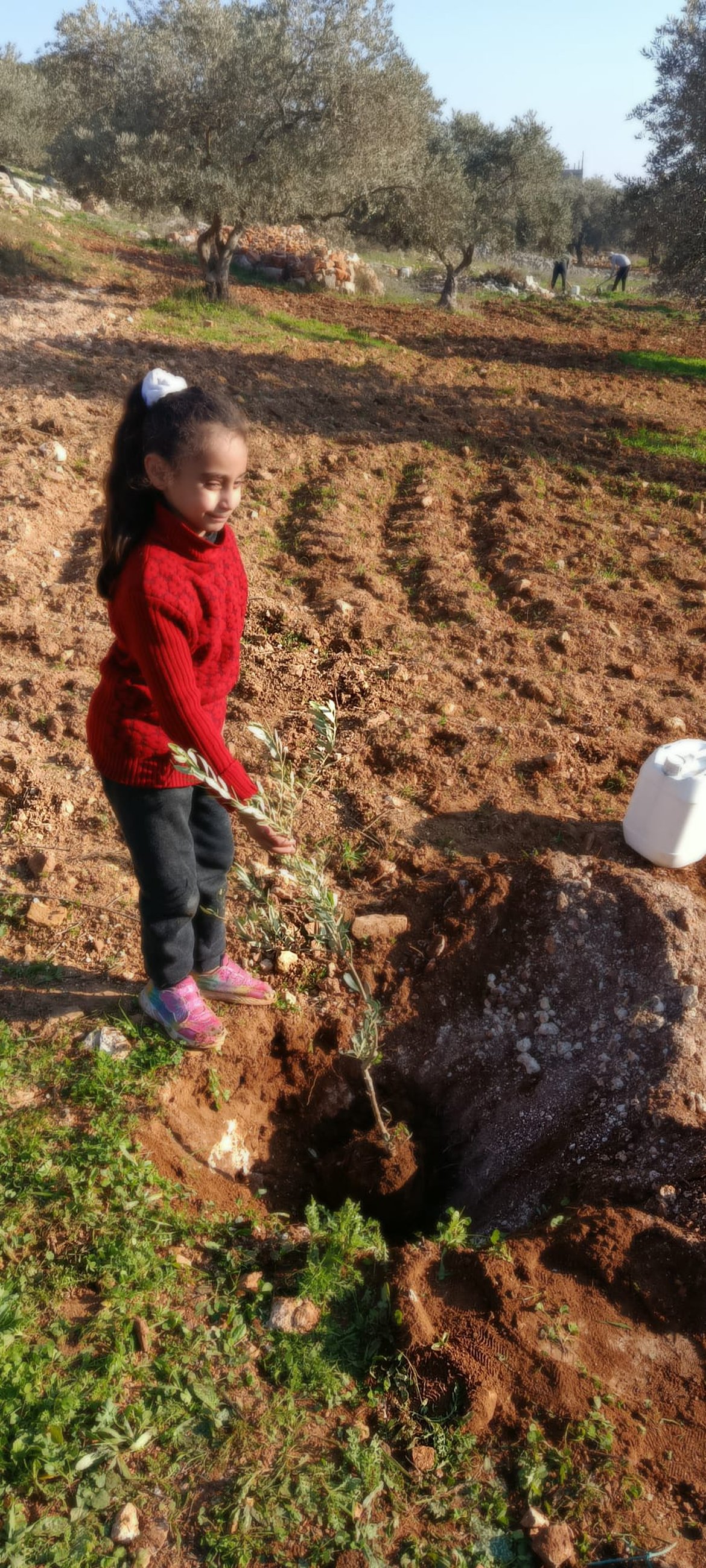
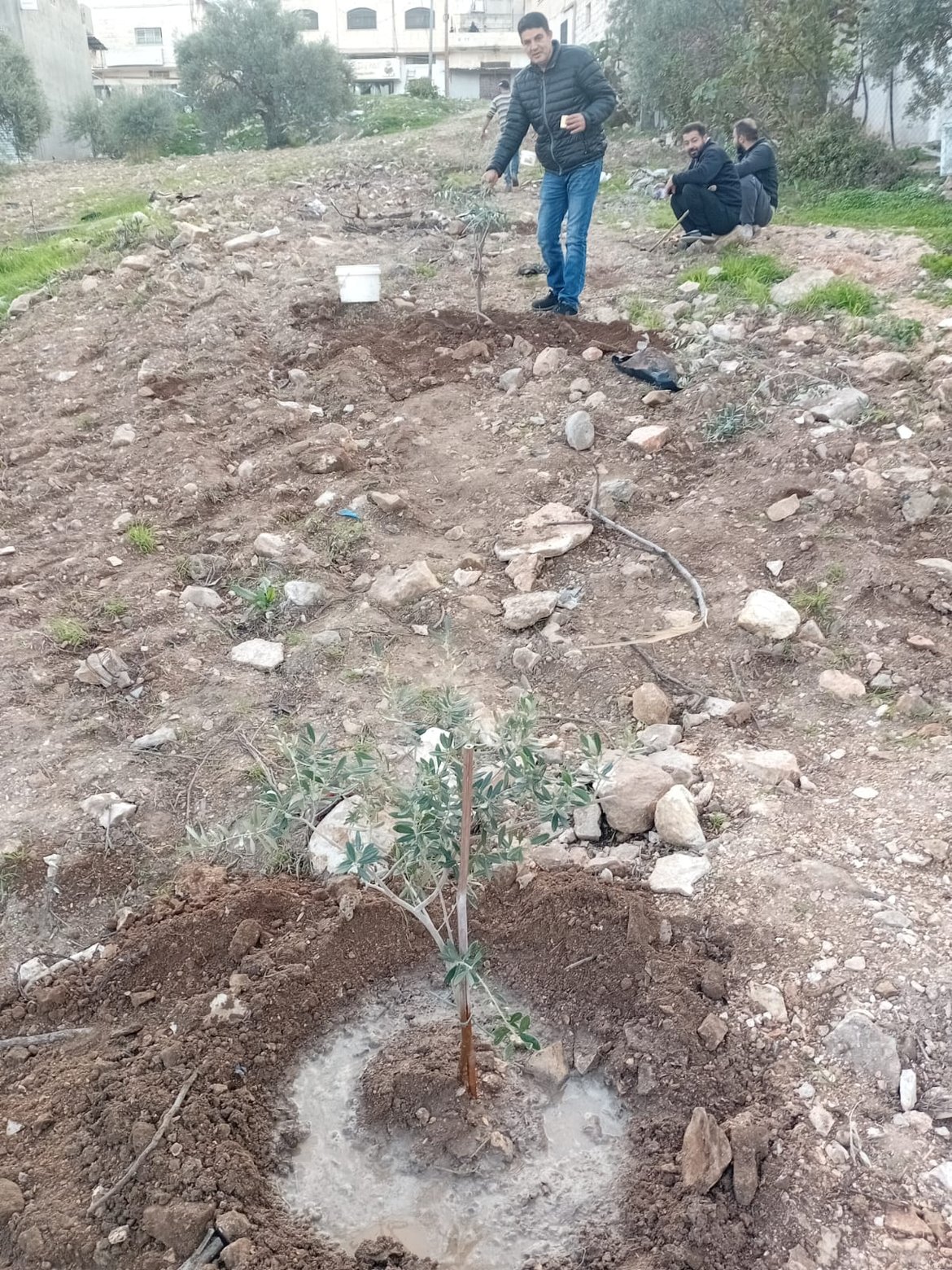
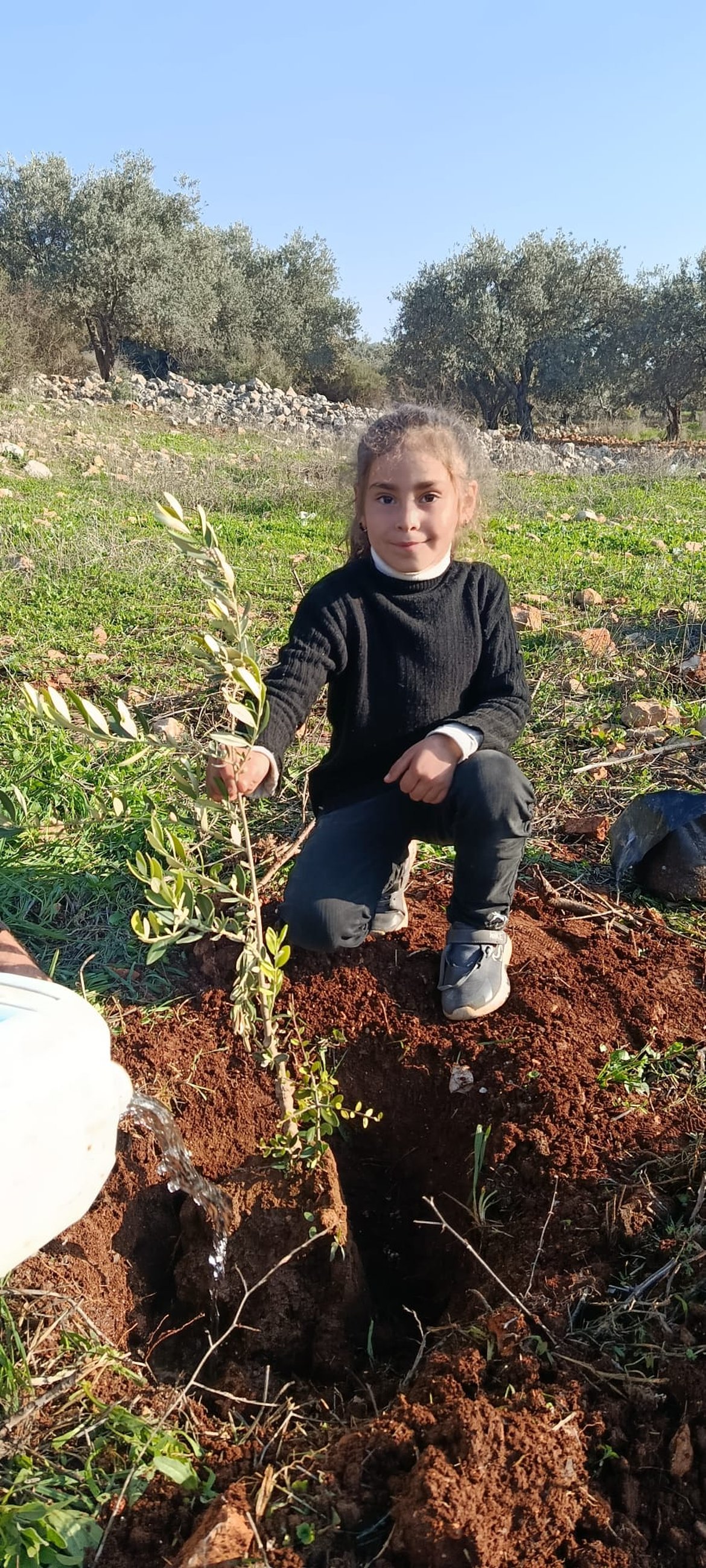
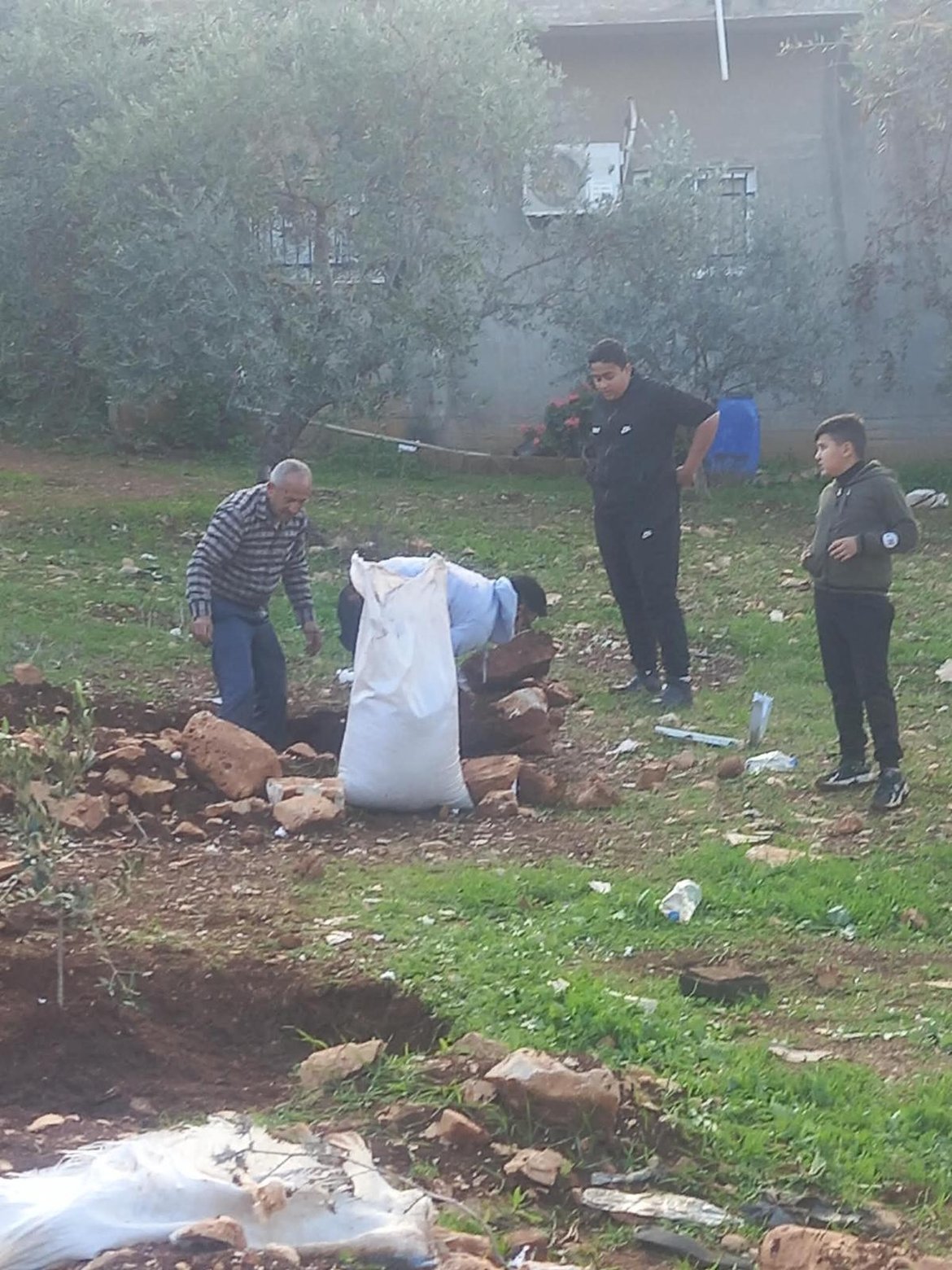
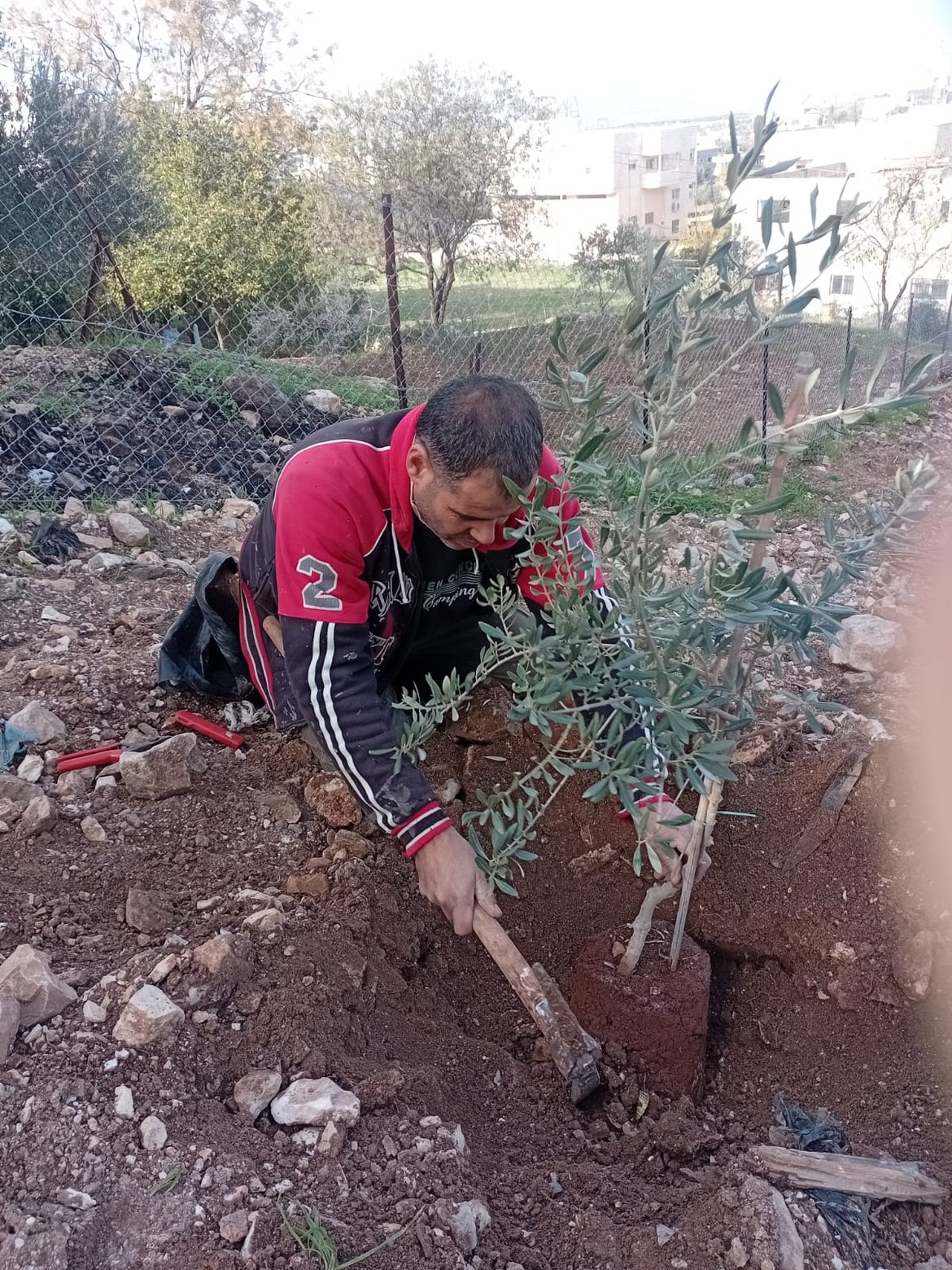
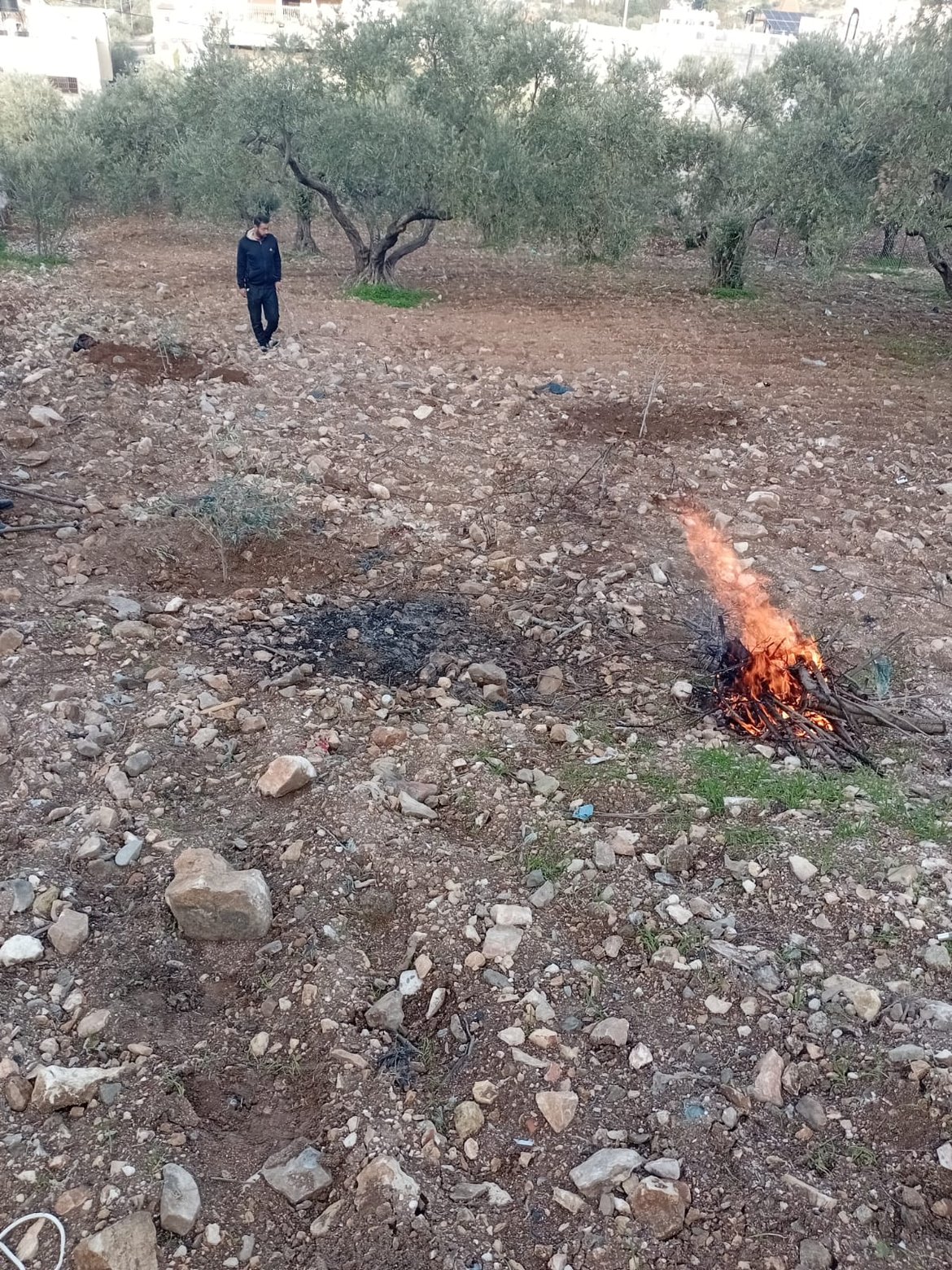
The Community Service Center at An-Najah National University distributed 438 olive seedlings to more than 30 needy families in rural areas of the Jenin countryside. The seedlings were planted around homes and in household gardens with the aim of creating a future source of income and improving families’ living conditions. This initiative reflects the Center’s commitment to sustainable development and strengthening self-reliance within local communities.
This project is part of a series of small income-generating initiatives implemented by the Center, based on its belief in the vital role of agriculture in improving economic and social conditions. It also serves as an effective means of supporting families’ resilience and connection to their land, while reducing dependence on external aid from individuals or institutions.
The project targeted families facing challenging economic, psychological, and social conditions, particularly the elderly, people with disabilities, patients, widows, orphans, and unemployed individuals whose circumstances limit their ability to secure a stable source of income to meet their basic needs.
The Center explained that the decision to focus on home gardening was carefully considered, as gardens around homes provide easy access to water sources and allow for daily monitoring of the seedlings. Regular irrigation, fertilization, and pruning significantly increase the likelihood of the project’s success and long-term sustainability.
The Community Service Center emphasized that this initiative is rooted in the belief that individuals are capable of supporting themselves when provided with appropriate tools and assistance. The project also aligns with An-Najah National University’s afforestation campaign, which aims to expand green spaces with a focus on fruit-bearing trees that offer economic returns.
It is worth noting that this project contributes directly to the Sustainable Development Goals, particularly those related to poverty reduction, food security, and environmental protection, making it a practical model for integrating community, environmental, and developmental efforts.
عدد القراءات: 49