
The Community Service Center (CSC) works to protect and care for children, guided by its belief in every child’s right to live in dignity and safety and to access their basic rights to care, protection, education, and health. The center’s interventions respond to difficult social and economic challenges, with poverty being one of the most significant factors that deprive children of a safe and stable childhood.
During 2025, CSC implemented a variety of programs and activities across four main areas, aiming to protect children, promote their community participation, and mitigate the effects of poverty and deprivation:
1. Sponsoring Orphans and Social Welfare
CSC provided 323,057 shekels to support 161 orphans through the Orphan Sponsorship Program, along with 73,360 shekels to support poor families under the Social Sponsorship Program. For nearly 25 years, the center has extended a helping hand to orphaned and disadvantaged children, offering financial support that alleviates economic burdens, helps meet basic needs, and ensures protection from deprivation and school dropout. These programs enhance children’s psychological and social stability, providing a sense of security and belonging. The initiatives primarily target children in the Nablus Governorate, with additional cases in other governorates, forming a continuous humanitarian effort built on mercy, social solidarity, and the protection of childhood.
2. Tree Planting Campaign in Schools, Homes, and Public Spaces
During 2025, CSC planted 2,067 trees at a cost of 21,480 shekels, promoting environmental awareness, mental well-being, and a sense of security and belonging among children. The campaign engaged school and university students as well as public institution employees, creating an atmosphere of social responsibility and connection to schools, families, and the wider community.
The campaign included three programs:
● Home gardening: 620 students planted 726 fruit trees in home gardens, benefiting families economically and aesthetically while promoting production, self-reliance, and environmental care.
● School environmental activities: Environmental activities in 32 schools included courtyard cleaning and planting 486 olive trees, strengthening teamwork, responsibility, and awareness of agriculture’s role in mental health and climate change mitigation.
● Enhancing green spaces: CSC planted 855 trees in villages and towns, including 365 forest trees at village entrances and 490 fruit trees in homes of families facing poverty, displacement, disability, or illness, supporting economic empowerment and protecting
children from the effects of deprivation.
3. Improving the Environment and Health in Schools
This program focused on creating school environments that support children’s rights and mental and physical health, through four key initiatives:
● Wall murals: Artistic initiatives in 14 schools, in collaboration with Faculty of Arts students, included educational murals and playground paintings that fostered creativity, reduced stress, and built children’s self-confidence.
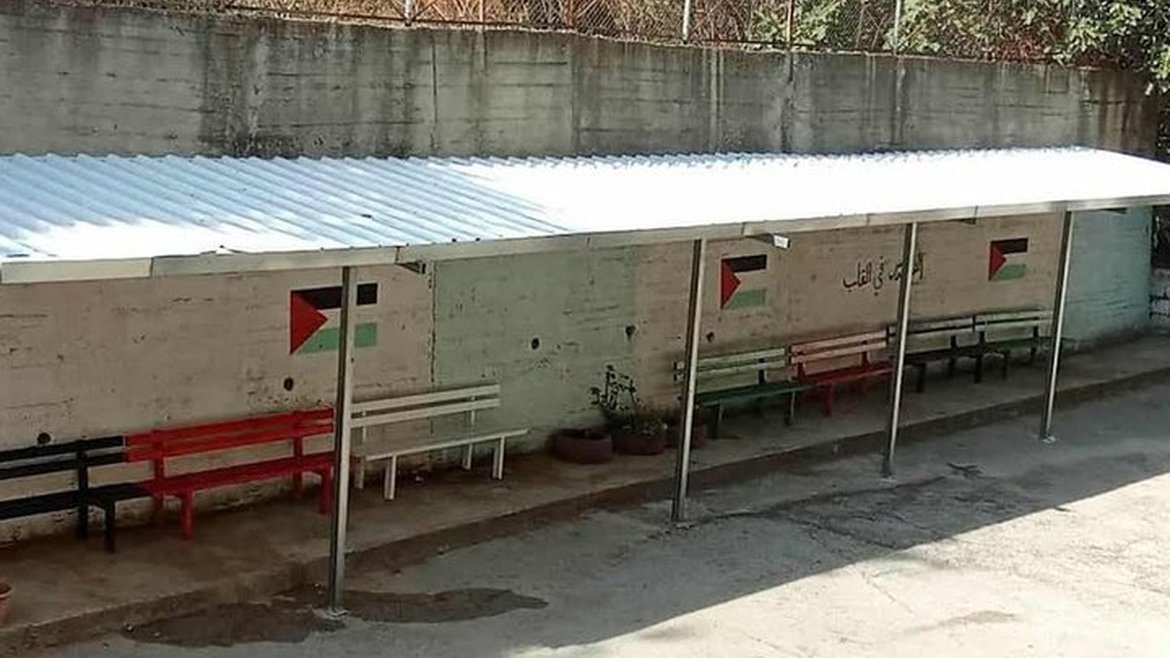
● Installing canopies: Four iron canopies were installed in schools at a cost of 22,700 shekels, providing protection from harsh weather and safe spaces for learning, especially in marginalized areas.
● Remedial lessons: 172 children received additional academic support due to challenges such as poverty, orphanhood, low parental education, and overcrowding, reducing the risk of school dropout.
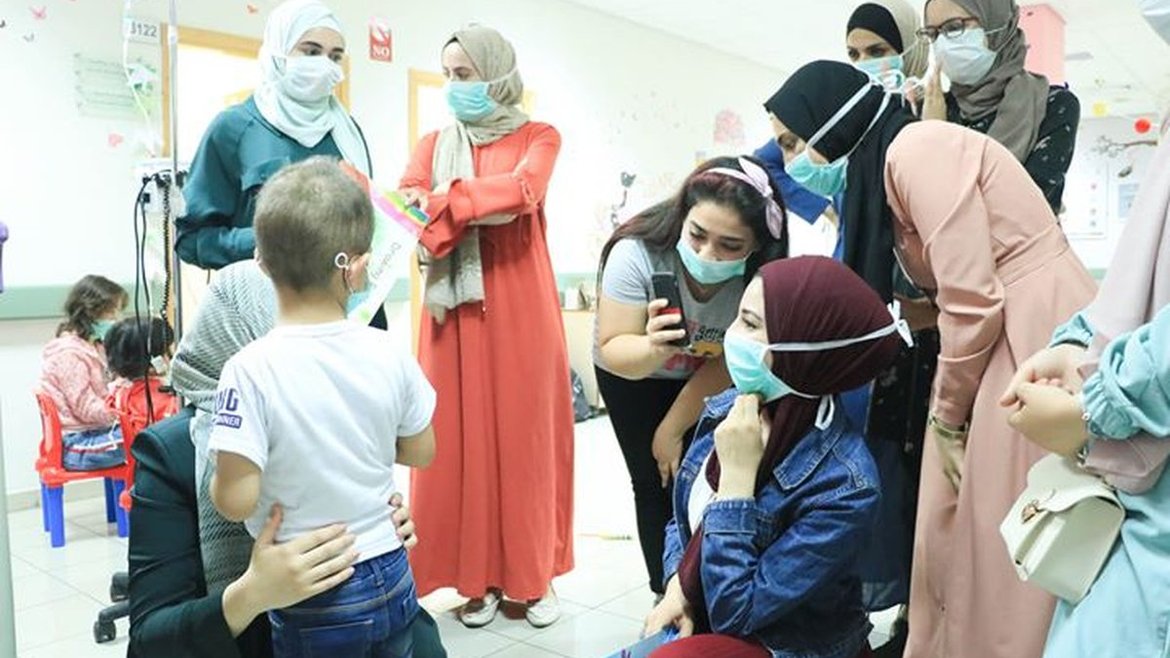
● Psychological and social support: Six recreational and therapeutic activities reached approximately 370 children, including programs for hospitalized children, Ramadan activities, school shows, and activities for children with disabilities, promoting social inclusion and mental well-being.
4. Relief Aid
CSC implemented multiple interventions to protect children in poor families from deprivation:
● Home rehabilitation: 44,423 shekels were spent to improve nine homes, ensuring healthy and safe environments for children.
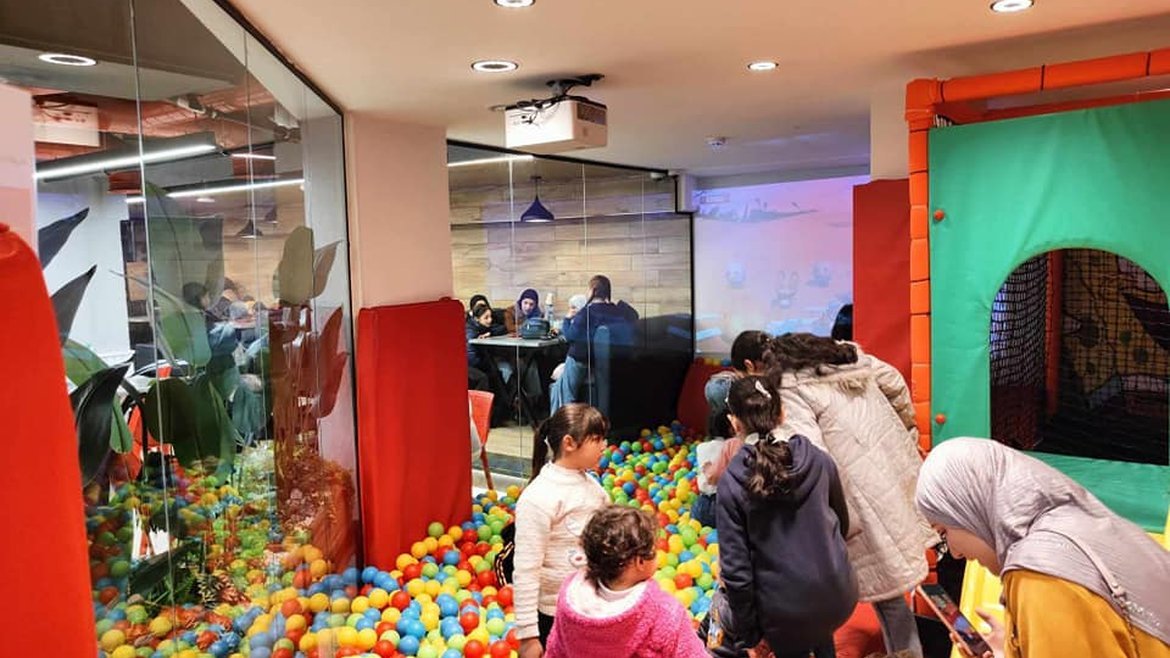
● Recreational facilities: 3,840 shekels were allocated to rehabilitate the Old City children’s park in Nablus, protecting children’s right to play and recreation.
● Emergency aid: 55,149 shekels supported 273 families with in-kind assistance, school bags, stationery, and uniforms for 48 children, securing their access to education.
● Medical assistance: 18,849 shekels were provided for urgent medical needs, including examinations, medicines, eyeglasses, therapy, and surgeries.
● Support for children with autism: 16,910 shekels were provided to the Success Institute for Childhood, ensuring care, protection, and social inclusion for children with autism spectrum disorders.
Through these programs, the CSC reaffirmed its commitment to child protection, promoting the rights of children, mitigating the effects of poverty, and fostering safe, supportive, and empowering environments in line with the Sustainable Development Goals.